


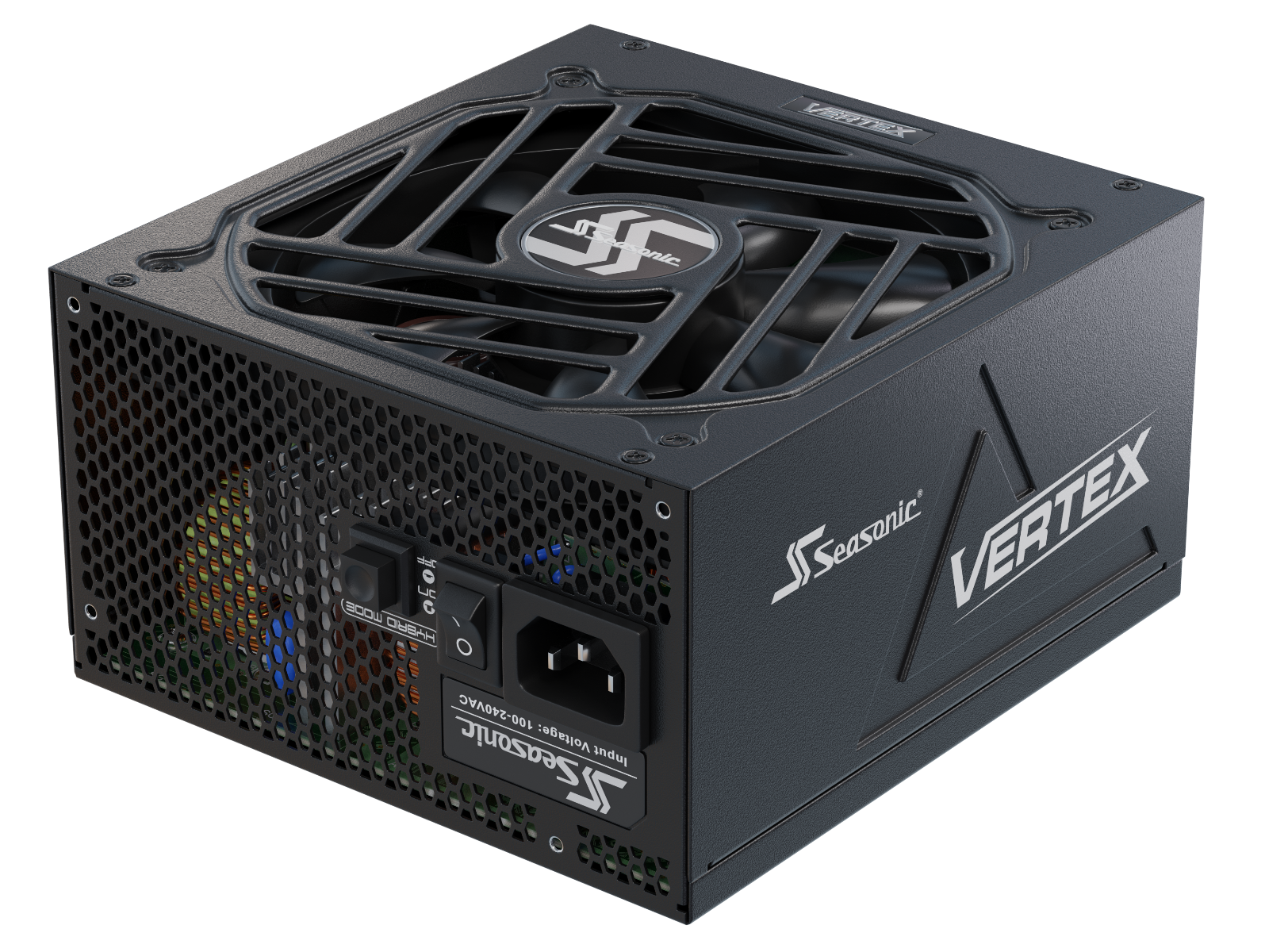


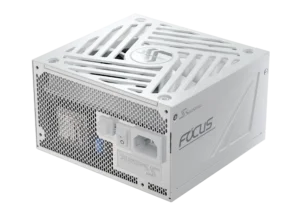


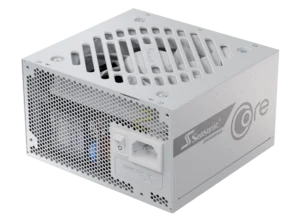
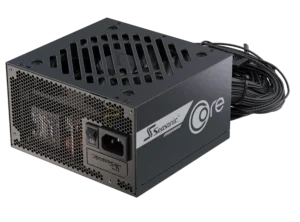
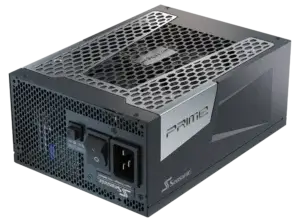



Learn how PSU components shape overall stability, efficiency, and durability throughout years of use.
Internal components in modern PC power supplies
The present-day power supplies we use in our systems and on which we rely when performing intensive tasks consist of various components. Each of them has different goals and the level of importance when PSU handles extreme loads, but only together they create an electrical environment that makes everyday PC use feel smooth, stable, and responsive.
Most PC builders pay great attention to PSU power capacity and 80 PLUS® certification first when picking one. But the truth is that the quality of the internal components plays a major role in how reliably a power supply operates over its lifespan.
There are key PSU components that support its stable and safe performance:
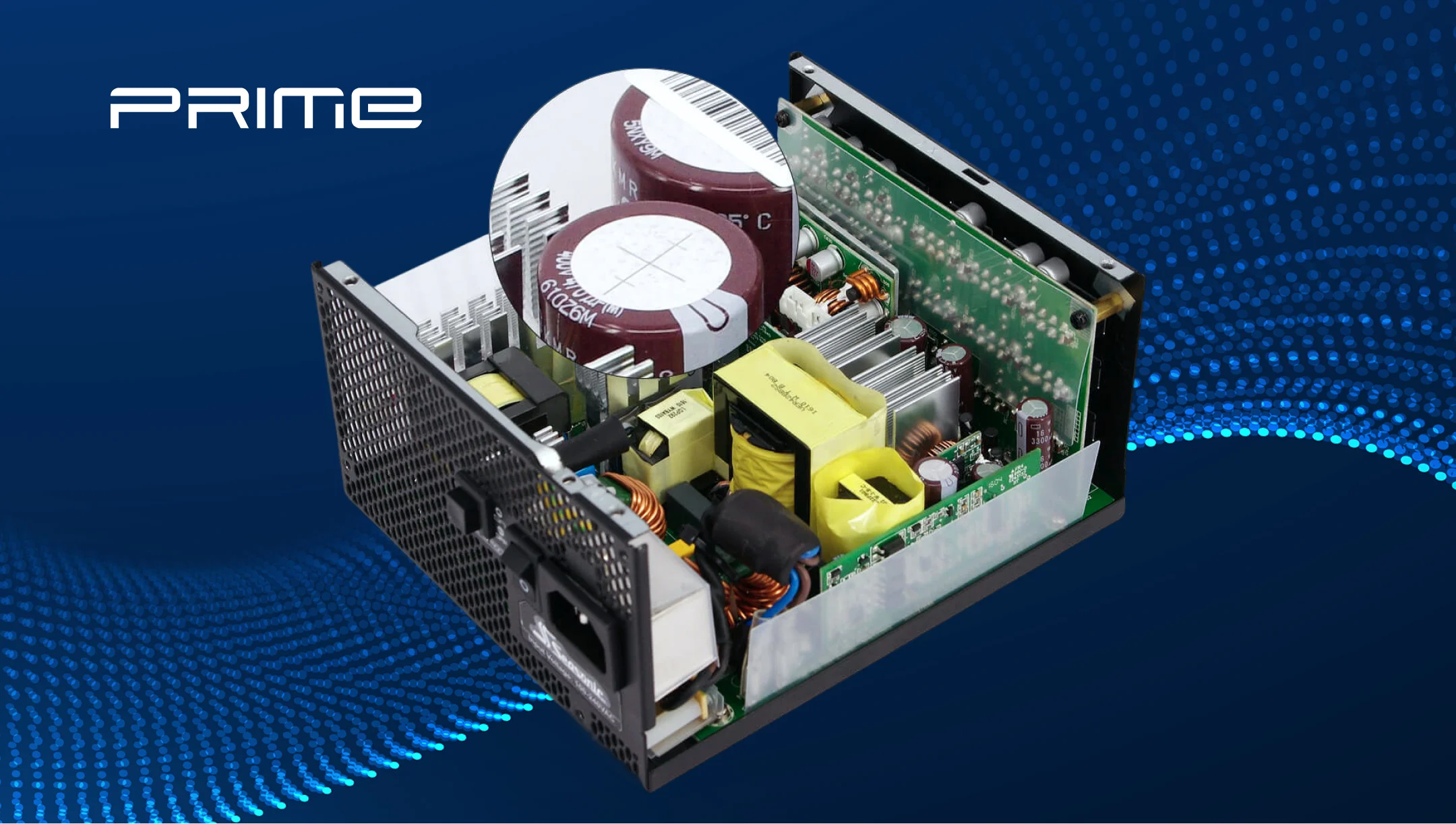
- Capacitors smooth out voltage fluctuations and absorb sudden power spikes. Their quality largely determines PSU lifespan, as capacitors are often the first components to degrade under heat and constant load. High-end PSUs typically use Japanese capacitors rated for 105°C because they tend to maintain performance longer under demanding conditions.
- MOSFETs handle the switching process that converts and regulates power. Higher-quality MOSFETs can reduce energy losses, improve efficiency, and help the PSU remain quieter under load.
- Transformers transfer energy between different voltage stages inside the PSU. Their design influences efficiency, voltage stability, and the PSU’s ability to handle rapid load changes from modern CPUs and GPUs.
- Inductors (chokes) filter electrical noise and smooth power delivery. Well-designed inductors can also help reduce coil whine, one of the most common complaints users encounter in high-performance systems.
- Rectifiers convert AC input into DC inside the PSU, and secondary-side rectification helps produce the low-voltage DC rails used by PC components. Their efficiency affects overall power loss and internal temperatures.
- Active PFC (Power Factor Correction) improves the PSU’s power factor and helps it draw power from the grid more cleanly. Together with the PSU’s input-stage design, it supports stable operation across a wide input-voltage range.
- DC-to-DC converters generate the precise 3.3V and 5V rails used throughout the system. Modern DC-to-DC architectures generally provide better voltage stability under uneven loads.
- EMI filter suppresses electromagnetic interference entering or leaving the PSU. It plays an important role in preventing electrical noise from affecting system stability and nearby devices.
- The cooling system keeps internal PSU temperatures under control. In practice, cooling quality often determines how quietly a PSU operates and how well it maintains performance after years of heavy use.
- Controllers and monitoring chips act as the PSU’s control center, continuously adjusting power delivery and monitoring internal conditions. Their tuning can influence voltage regulation accuracy and fan behavior.
- Protection circuits monitor for dangerous conditions such as overcurrent, overvoltage, overheating, or short circuits. These protections are what prevent damage from spreading to expensive components like GPUs and motherboards.
- Relays and thermistors manage inrush current when the system powers on. Without them, the initial surge of electricity can place significant stress on capacitors, rectifiers, and other internal components over time.
Capacitors and power supply lifespan
Capacitors play a key role in PSU performance and define how long a PC power supply will last. Very often, manufacturers say that long-life capacitors are rated for 105°C, but their degradation in real use depends on temperature, load, overall component quality, and the PSU’s circuitry.
What is really important to know about capacitors is that they degrade differently in different PSU parts. For example, those that set up on the primary side operate in more stable conditions than those that operate on the secondary side (especially the 12V lines under heavy load), as they withstand greater thermal and electrical stress.
What also affects the capacitors’ degradation are transient spikes that come from high-end GPUs. Capacitors are responsible for handling that compensation. When ESR (equivalent series resistance) rises over time, it can lead to voltage fluctuations or instability under load, even if the PSU still meets the required power rating.
One more factor that affects the capacitors’ aging and power supply lifespan is the temperature inside the PSU. Even with a quiet fan, hot spots around the transformer or VRMs can accelerate electrolyte drying inside capacitors. This is why PSUs with weaker thermal design often age faster than expected.
In many aging-related PSU issues, capacitors are one possible cause, especially under heat and load. However, fans, solder joints, switching components, and overall thermal stress can also contribute. This typically shows up as unstable booting, reboots under load, or more noticeable VRM noise on the graphics card.
Ripple suppression: the role of filtering components
Ripple suppression (ripple smoothing) is one that defines the voltage cleanliness supplied to the PC components. Modern PSUs have a whole filtering system for ripple suppression, where every element performs its specific task across different parts of the power conversion chain. They are:
- Output capacitors – a key part of the secondary-side filtering stage. They smooth out high-frequency ripple after voltage conversion and ensure stability of the 12V, 5V, and 3.3V rails.
- Solid polymer capacitors have lower ESR than traditional electrolytic capacitors, which allows them to handle high-frequency ripple more effectively.
- LC filters (inductor + capacitor) are a combination of chokes and capacitors that help suppress both high-frequency noise and remaining ripple after rectification.
- Chokes (inductors) act as a natural filter against fast-changing current. They reduce high-frequency noise and smooth the output signal.
- Primary-side filtering capacitors reduce noise at the high-voltage stage, easing the workload on downstream conversion components.
- Synchronous rectification is a modern design approach that replaces diodes with MOSFETs. This method reduces energy loss and output ripple for better PSU efficiency and system stability. Synchronous rectification replaces diodes with MOSFETs to reduce conduction losses and improve efficiency. Ripple performance still depends on the complete filtering and control design.
For PC builders, the important point is that excessive ripple may not cause obvious symptoms immediately. Over time, poor filtering can contribute to instability, especially under load changes, and may increase electrical stress on downstream components.
That’s why professional power supply tests always measure ripple under load conditions, not only checking the rated power or efficiency certification.
MOSFETs, transformers, and DC to DC regulation
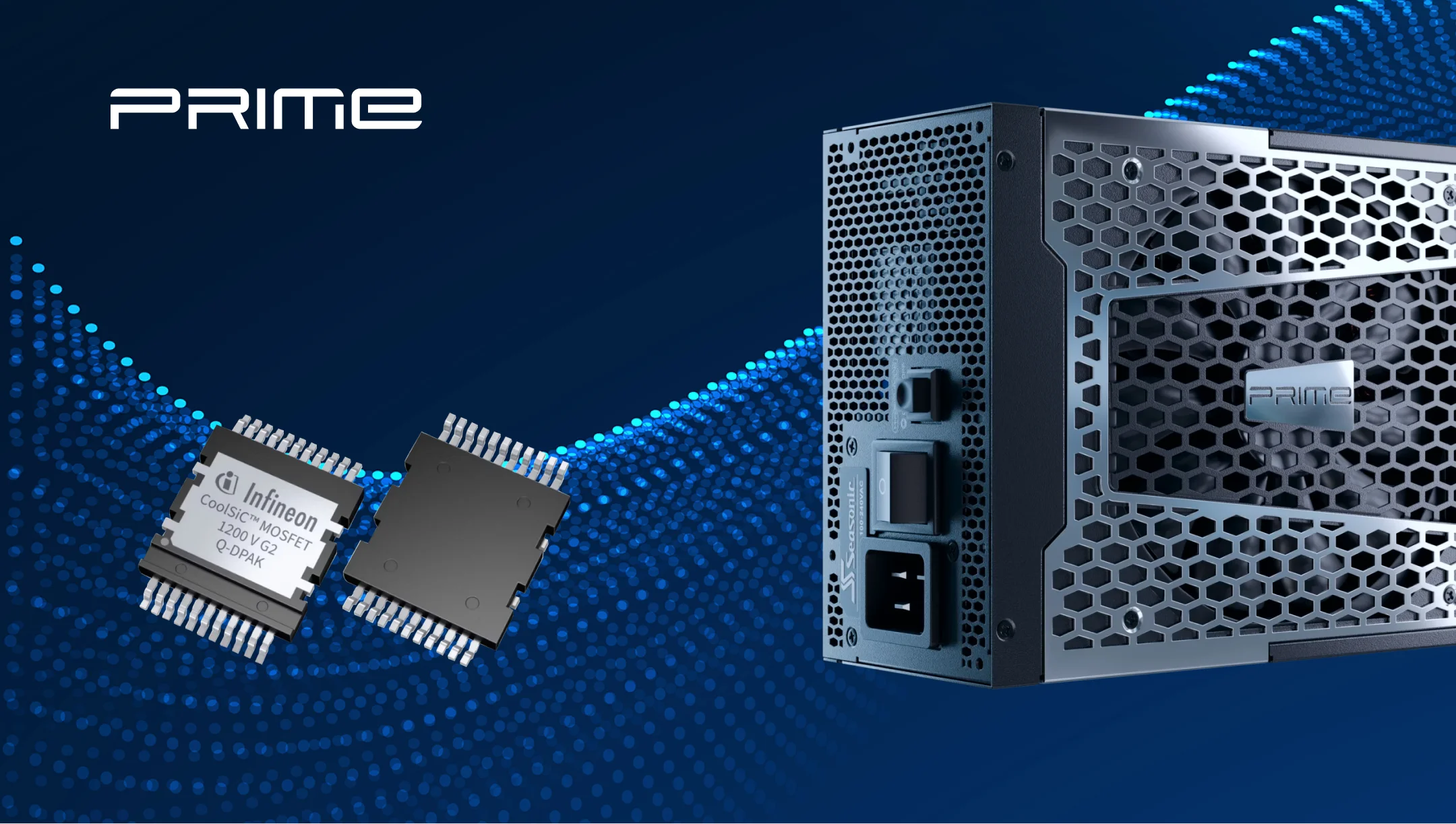
MOSFETs (Metal-Oxide-Semiconductor Field-Effect Transistors) play a key role in high-frequency power switching. They literally cut the input power into pulses in the tens or hundreds of kHz, which are then converted to the required voltage levels. High-quality MOSFETs are distinguished by their:
- RDS(on) – impacts heat and power loss under load.
- Switching speed – affects efficiency as well as noise levels.
- Control driver quality – plays a key role in stability during peak loads.
Transformers in the current SMPS (switching mode power supply) operate at high frequency and are responsible for galvanic isolation and primary-side voltage conversion. Their quality affects:
- stability under load (especially during transient spikes),
- level of electromagnetic losses,
- likelihood of coil whine (together with chokes).
Be aware that low-quality windings or ferrite cores can create mechanical vibrations that result in the familiar “squeaking” PSU noise.
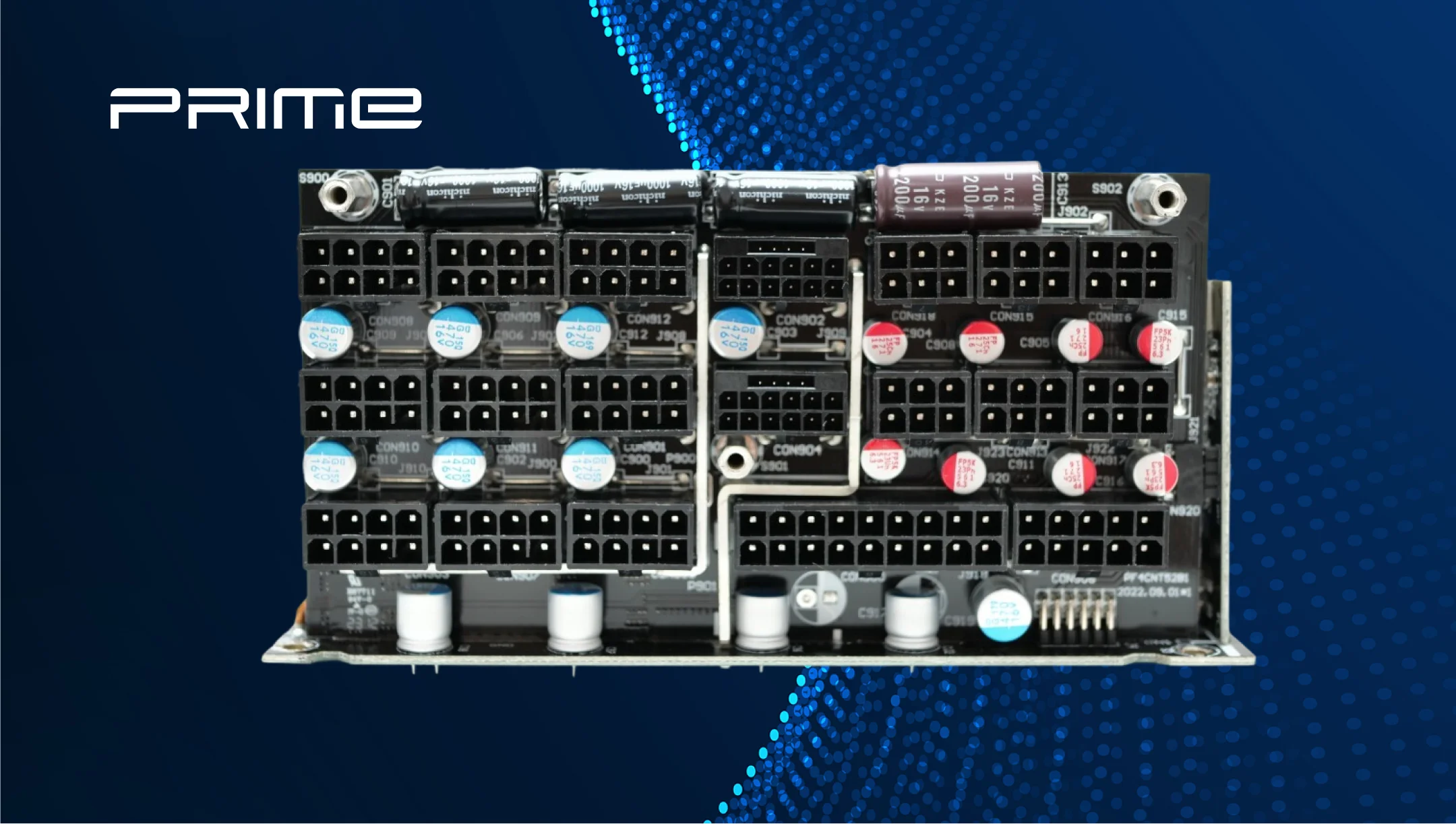
VRM design (Voltage Regulation Module in the PSU context) refers more to motherboards and GPUs; modern PSUs also use DC-DC regulation stages to generate stable 3.3V and 5V rails from the main 12V output. This is how their architecture looks something like this:
- The main 12V rail is generated by the primary converter.
- DC-DC modules then step it down to 3.3V and 5V rails.
- Each module has its own MOSFETs, inductors, and controller.
Overall, MOSFETs, transformers, and DC-DC (VRM-like) circuits directly affect how reliably the PSU holds up under peak loads over time.
Cooling systems and thermal management
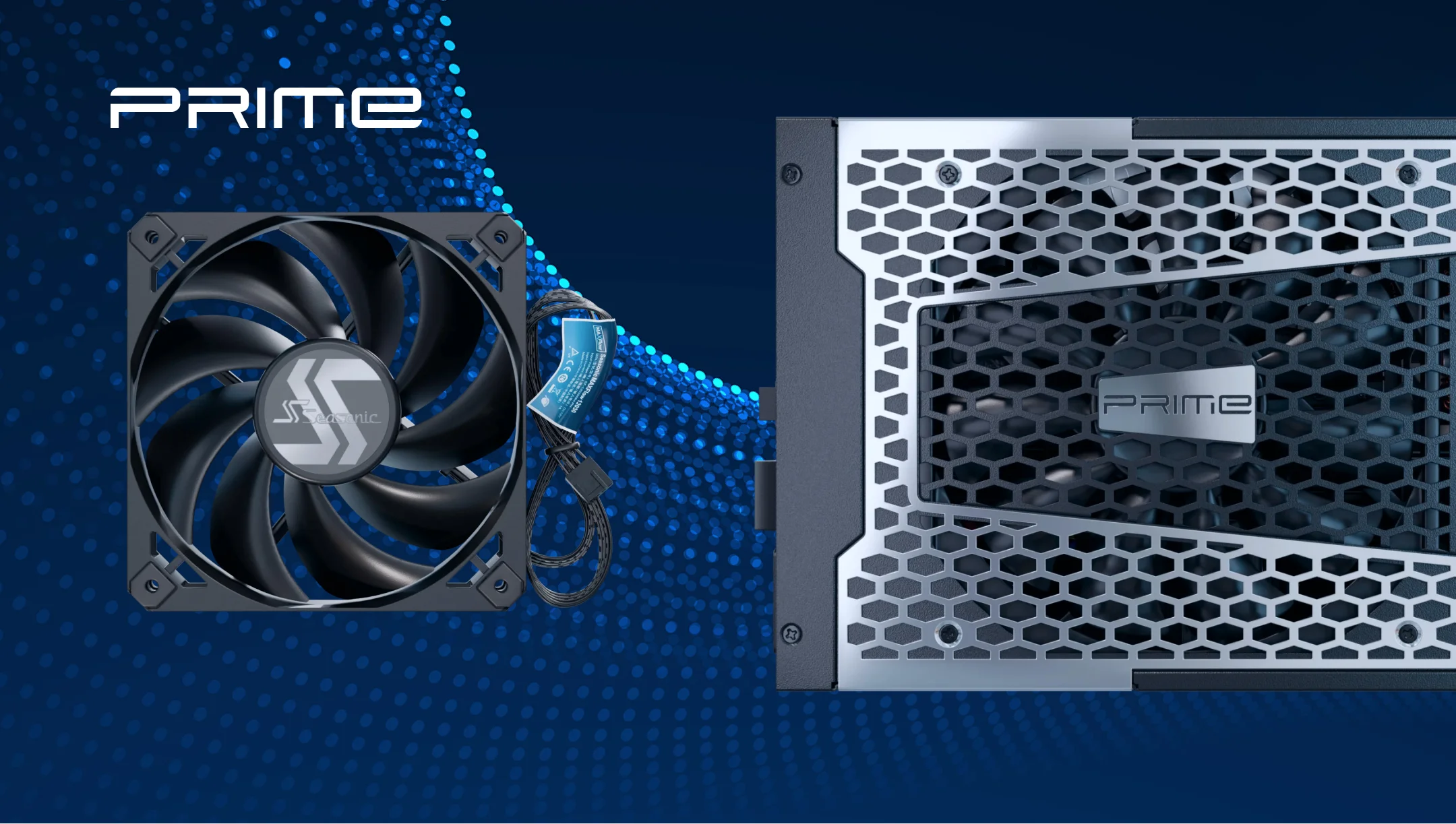
The cooling system in modern power supplies is a part of its electrical stability and safe performance. It’s the core part – a fan unit that is responsible for active cooling. This is what ensures it performs effectively in real-world scenarios:
- Bearing type (FDB, sleeve, ball bearing) impacts lifespan and long-term noise characteristics
- The fan curve defines fan response under load and overall acoustics
- Semi-passive mode (RPM mode) improves idle acoustics but may introduce short thermal spikes on fan startup.
The next cooling system component that adds to the overall PSU’s stable performance is the heatsinks. Aluminum or copper-aluminum heatsinks are used to cool key power components, including MOSFETs, diodes, and the transformer. Its good performance is driven by:
- fin density;
- contact with components (quality of thermal pads or thermal paste);
- internal layout (airflow path inside the PSU chassis).
Airflow architecture also affects active cooling. Modern power supplies use an internal airflow path designed around the PSU layout, directing air across hot components such as the primary stage, transformer area, MOSFETs, heatsinks, and secondary regulation stage. High-quality PSUs are backed by airflow architecture to avoid “hotspots,” which are often a major cause of component degradation.
PCB layout and soldering quality
PCB layout and soldering quality in a power supply are things users never see, but they often define the real stability and the unit’s lifespan. When key PSU components stay the same inside it, the PCB design can completely change, depending on how the power supply behaves under load.
A well-designed PCB layout means:
- shorter, more logical power paths,
- proper separation between high-voltage,
- low-voltage sections, minimizing losses at high current.
This directly impacts heat generation, electromagnetic noise, and the PSU’s ability to stay stable under sudden GPU and CPU load spikes.
Poor layout, on the other hand, can create hot spots, increase losses, and even introduce noise or instability that isn’t obvious from component specs alone. Thus, soldering quality matters just as much.
In higher-end PSUs, solder joints are consistent and built to withstand long-term thermal cycling. In lower-quality units, weaker joints can slowly degrade over time due to repeated heating and cooling. As usual, you don’t notice them immediately as they show up over months or even years of active PSU use. The common errors it may cause are random reboots, unstable startup, or load-related failures.
Japanese vs. budget components. Does premium hardware really matter?
Typically, Japanese capacitors have higher consistent performance, better thermal stability, and more predictable degradation over time. That level of predictability is what matters most in high-quality power supplies, especially during sustained loads.
Many modern mid-range power supplies rely on Taiwanese or Chinese brands that are stable under normal temperature conditions. The real issues start to appear when they operate near their thermal limits or under high ripple loads. This is where premium hardware goes beyond the budget one.
The difference between premium and budget components matters most under high temperatures and sustained variable loads. Under these conditions, better components greatly improve stability and reduce degradation risk.
How can incorrect component selection lead to system instability and equipment damage?
Incorrect component selection can become a real risk factor for system stability. Since modern PSUs operate under dynamic loads, their component selection and layout need enough headroom for demanding scenarios, including sudden CPU and GPU load changes. Otherwise, using low-quality components (or missing critical ones) can trigger a chain of technical problems and impact the PC components as well.
The most common case of failure is low-quality or incorrectly chosen capacitors and power components. They simply are unable to handle transient load spikes, resulting in voltage instability or increased ripple. As a PC user, you see it as unexpected reboots, system freezes, or errors under load, even though the PSU is rated to provide sufficient power.
If the MOSFETs, transformer, or chokes are selected with minimal headroom, they operate closer to their thermal limits. This increases heat and power losses, reduces efficiency, and forces the fan to work harder. Over time, the extra heat also speeds up capacitor aging, which can eventually affect system stability and how long does a PSU last.
Protective circuits deserve special attention. If their implementation is overly simplified or their trigger thresholds are not properly tuned, the PSU may produce a few fails. It won’t respond to genuine faults or, conversely, activate protection unnecessarily during peak loads. The former increases the risk of component damage, while the latter can lead to unexpected shutdowns or instability despite the absence of any actual fault.
What to look for when choosing a high-quality power supply in 2026
Сheck every point in the list below to choose a power supply that supports every workload your PC handles.
- ATX 3.1 – ensures compatibility with modern GPUs and better handling of transient power spikes.
- High-quality circuitry (PFC + LLC + DC-DC) – provides more stable voltages and better performance under changing workloads.
- Low ripple levels – a sign of effective filtering and high-quality internal components.
- Reliable capacitors – ideally Japanese or other reputable 105°C-rated brands for better long-term reliability.
- Comprehensive protection features – OCP, OVP, UVP, SCP, OTP, and OPP. Together, they protect both the PSU and connected hardware.
- Effective cooling – a quality fan with an FDB bearing or dual ball bearing and a well-designed airflow path helps keep safe operating temperatures.
- Solid build quality – clean soldering, a well-designed PCB, and no obvious cost-cutting on internal components.
- Stable 12V rail performance – especially important for modern CPUs and GPUs, which draw most of their power from the 12V rail.
- A reputable OEM platform – the underlying platform often matters more, as it determines the overall quality of the design and electronics.
- Independent test results – pay attention to voltage regulation, temperature, and ripple measurements under load.
- Adequate power headroom – leaving a 20–30% reserve helps accommodate future upgrades and maintain stability during peak loads.
- A long manufacturer warranty – warranties of 7–10 years often reflect confidence in the quality of the components and overall design. For example, Seasonic provides a 12-year warranty, which is a sign of long-term, reliable, and stable PSU performance under different loads.
Conclusión
The real PSU performance depends on the quality of its components and how effectively they are integrated into the design. It affects how reliably the system runs under load, how well the PSU handles sudden power spikes, and how consistently it performs over the years.
In 2026, PC builders more often face the higher load scenarios that new-gen GPUs and CPUs cause. That is primarily why high-quality PSUs matter a lot and are an important part of the system’s overall reliability.