


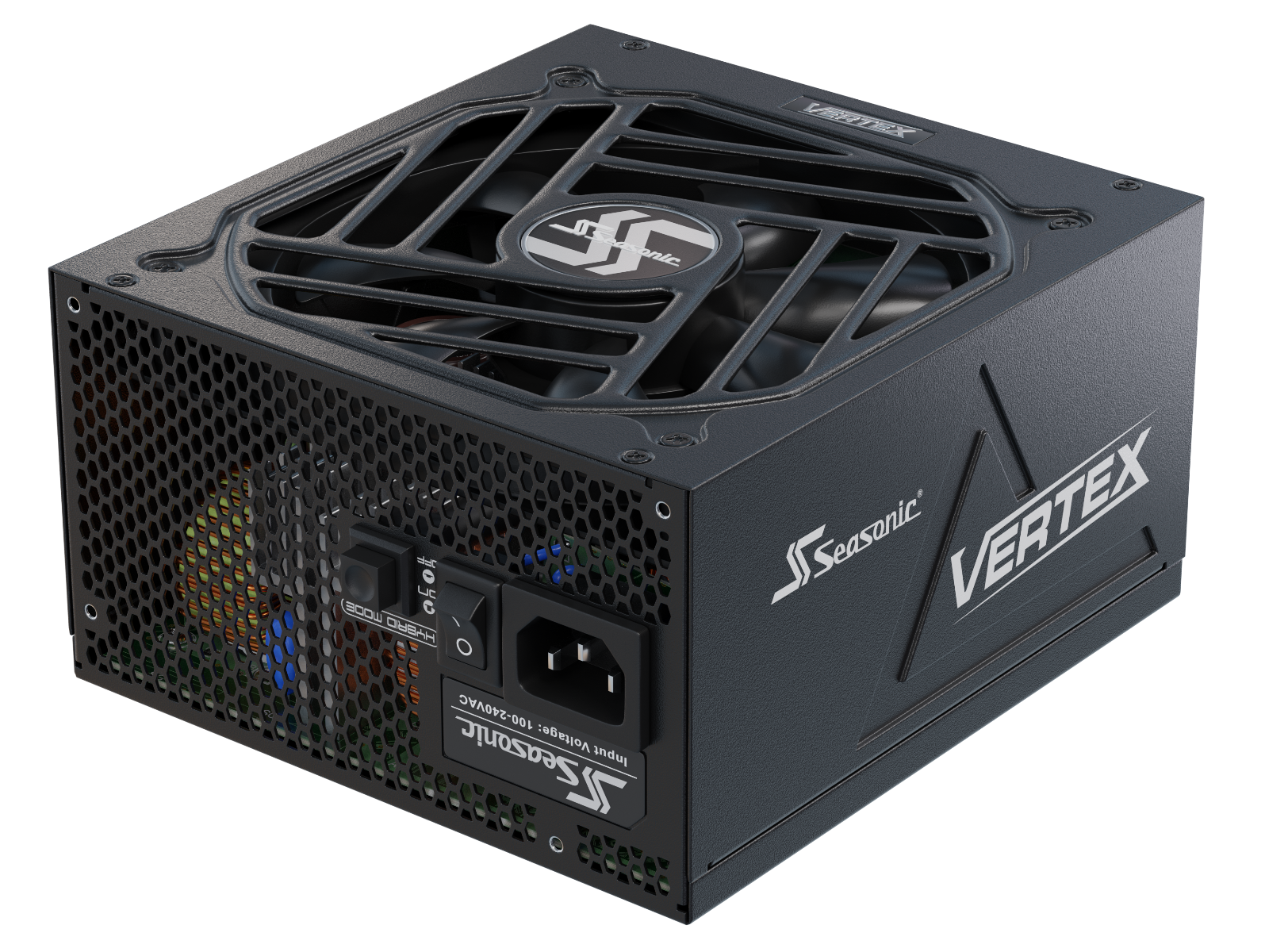


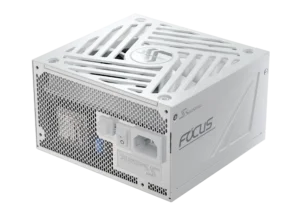


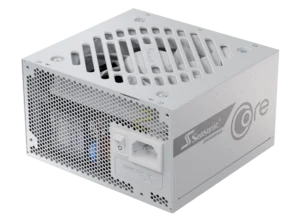
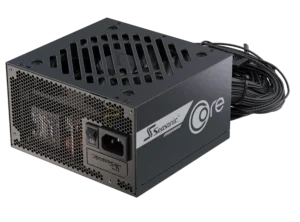
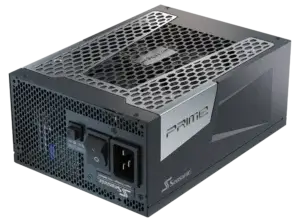



Modern PCs, workstations, and servers demand more from their power supplies than ever before. Higher power density, rapidly changing loads, thermal constraints, and the need for long-term reliability have all changed how PSUs are designed. In this article, we’ve explored how PSU design has changed and what electrical approaches drive it today.
What is power supply design?
Power supply design covers the development of an entire power conversion system – the AC input, stable, clean, and safe voltage that can be used by the CPU, GPU, motherboard, and other components. It goes beyond picking components, transformers, or capacitors and consists of deeper electrical solutions and technologies so the entire system works well.
When building a power supply unit, the whole process starts with an understanding of how power consumption flows and what power management technologies should be used. In most cases, manufacturers center the PSU design process around how core PC components behave in different scenarios and how the PSU should respond while keeping power delivery stable.
Modern GPUs, for example, can cause very short but significant power excursions, and current ATX standards require the power supply to withstand such load changes without the voltage exceeding the permissible limits. That is exactly what should also be taken into account.
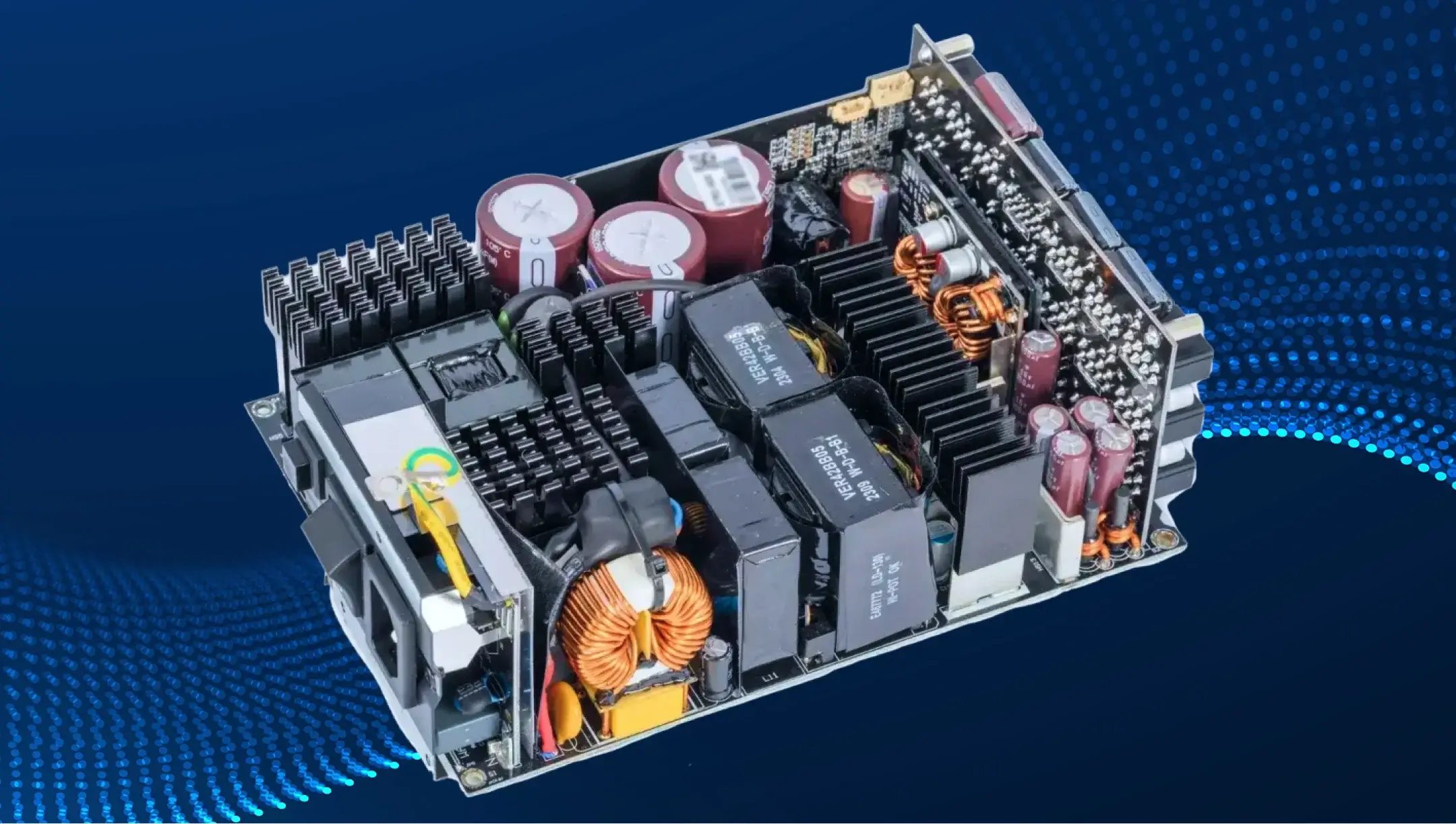
A typical AC-to-DC power supply can be divided into several stages:
AC input → EMI filtering → rectification → PFC → high-frequency switching/conversion → transformer → secondary rectification → filtering → DC output
Each stage addresses a specific engineering challenge. The input filter reduces electromagnetic interference, the rectifier converts AC to DC, Power Factor Correction (PFC) improves the way power is drawn from the grid, and the high-frequency converter efficiently transforms the voltage to the necessary level.
Power supply design is focused on creating an electrical environment where all these stages work together as one. At the same time, this is one of the biggest challenges in PSU design. Even a small change in one parameter can affect the entire system, which means manufacturers have to anticipate all these scenarios in advance.
Overall, a well-designed PSU is an optimized system, where electrical efficiency, temperature, noise, voltage stability, transient response, and EMI are all considered at once.
From basic energy conversion to intelligent power management
Previously, basic PSU energy conversion logic was intended to draw AC voltage from the grid, convert it to DC, and provide the required output levels. Modern PSUs operate based on a much more sophisticated set of rules. They continuously control the system’s status, output parameters, compensate for load changes, regulate temperature, and provide protection if something goes wrong. That’s what the custom power supply design now stands for.
In earlier PC systems, load changes were generally less demanding from a PSU design perspective. Modern CPUs and GPUs can change their power consumption very rapidly and across a much wider operating range. This has placed greater demands on PSU design, where engineers need to consider not only the total available wattage but also how quickly the load can change and how the power supply responds to it.
First, the power supply control circuitry responds to changes in load. A feedback loop monitors the output voltage and dynamically adjusts the power stage as conditions change. At the same time, the output capacitors attempt to provide power during the initial moments of a transient event, before the control system has time to react.
The next important step is active power factor correction (PFC). PFC shapes the input current so that its waveform more closely follows the AC line voltage. This improves the PSU’s power factor and reduces the reactive component of the input current, allowing the PSU to draw power from the AC grid in a more controlled way. Power factor and conversion efficiency are related to overall PSU performance, but they describe different electrical characteristics.
So, engineers now look at the whole picture – how the PSU powers the system and how it draws power from the grid.
Higher power density: supporting higher performance in compact systems.
Power density shows how much power the PSU can provide according to its physical size. As GPU and CPU power demands keep rising, manufacturers need to boost power output without making the module proportionally larger.
Improvements in semiconductor technology, switching topologies, and magnetics make it possible to fit more power into a more compact design. But alongside this, higher power density creates a new engineering challenge – heat. When more energy passes through the same physical space, the concentration of heat loss increases, putting more focus on efficiency, component placement, airflow, and cooling.
This is true for compact, high-performance systems. A smaller PSU frees up space for airflow and other PC components, simplifies cable management, and provides room for powerful setups even in smaller cases. But remember that compactness alone is not an advantage if it comes at the cost of higher temperatures or noise. The true goal of modern PSU design is to increase power density without compromising efficiency, reliability, and thermal performance.
Voltage stability and ripple control for sensitive modern components
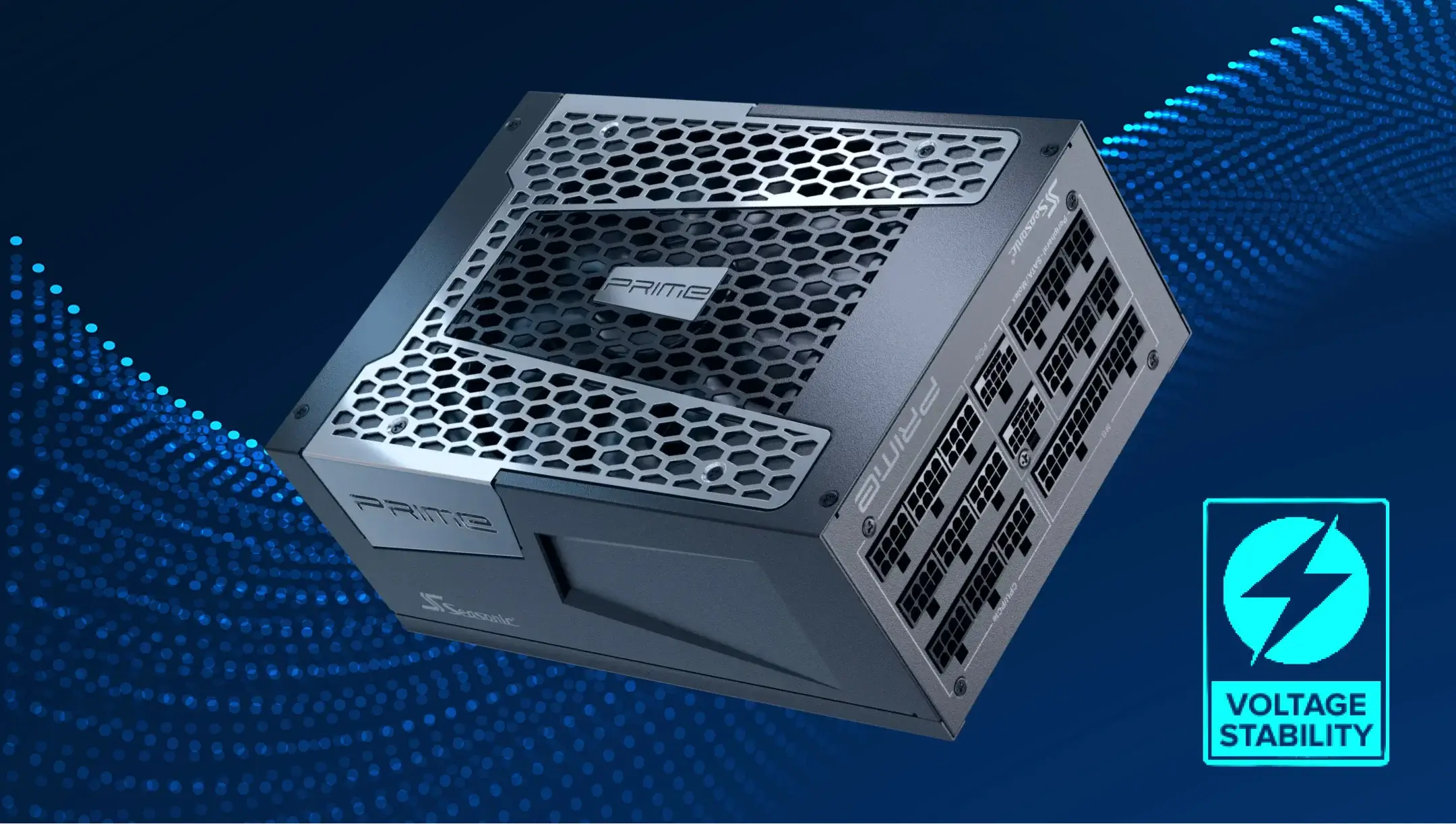
Voltage stability is one of the key requirements that set today’s standards for modern PSU performance and design.
The CPU and GPU each have their own power conversion systems, so the PSU must provide voltage within the required operating range and keep output ripple within specification. Ripple is an inherent part of high-frequency power conversion, and its acceptable level depends on the relevant standards, PSU design, and the requirements of the downstream power stages.
Output ripple is a natural result of high-frequency switching and energy conversion. Its magnitude depends on the overall power architecture, including the switching topology, switching frequency, capacitors and inductors, feedback loop, and PCB layout.
Especially important is the PSU’s performance under dynamic loads. In a situation when the GPU or CPU suddenly changes power consumption, the PSU must quickly react to this change. This way, it keeps power output steady and prevents voltage sags or overshoots. Therefore, a high-quality PSU should maintain stable 12 V output and deliver clean power even as system load changes.
How have modern CPUs and GPUs changed the requirements for power supplies?
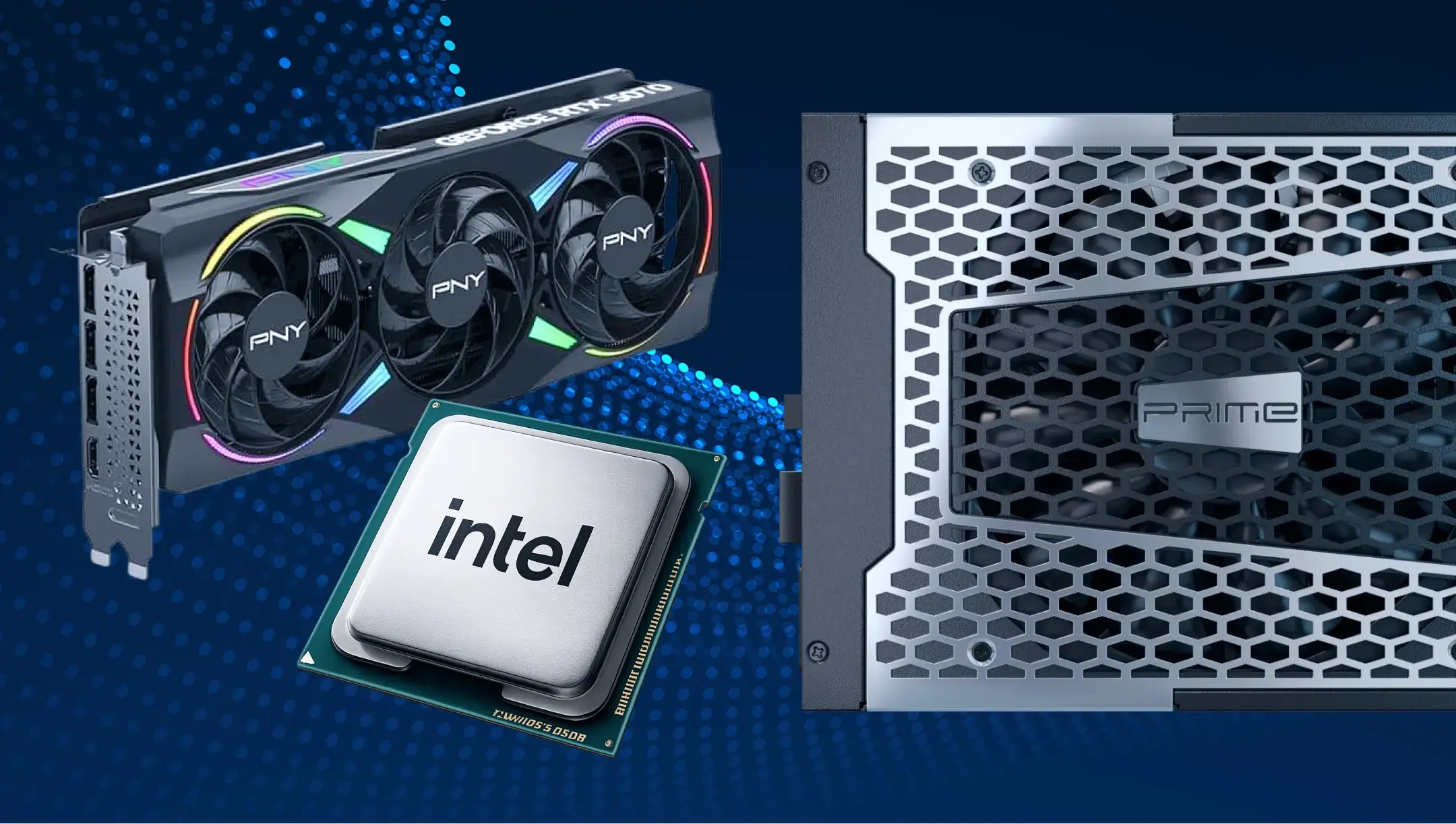
Modern CPUs and GPUs have increased both the magnitude and dynamic nature of the load placed on the PSU. In earlier systems, total maximum power consumption was often the primary consideration. Now, it’s just as important how quickly a component can change its power consumption and how well the PSU can respond to that change.
This is especially important for high-performance GPUs, which can produce rapid changes in power demand and short-duration power excursions during certain operating conditions. The magnitude and duration of these excursions vary by GPU, workload, and operating state, so PSU design must account for both sustained load and rapid transient changes.
Therefore, a modern PSU must be designed with sufficient electrical margin and strong dynamic performance, including:
– transient response,
– 12 V rail stability,
– the ability to withstand rapid changes in current without excessive voltage drops.
Another important change is the development of new power-delivery standards and connectors. ATX 3.1 defines requirements for PSU behavior, including how the power supply should handle power excursions associated with modern GPU loads. PCIe 5.1 includes requirements relevant to GPU add-in cards and the 12V-2×6 high-power connector used for GPU power delivery. These standards address different parts of the power-delivery chain, but together they have influenced how modern PSUs and GPU power connections are designed.
Thermal design and noise reduction in modern power supplies
Modern PSU cooling and acoustics are closely related to efficiency. Higher efficiency means less electrical power is converted into waste heat, which can reduce the internal thermal load and the cooling capacity required to maintain operating temperatures. This can also create more room for quieter fan operation, depending on the PSU’s thermal design and operating conditions.
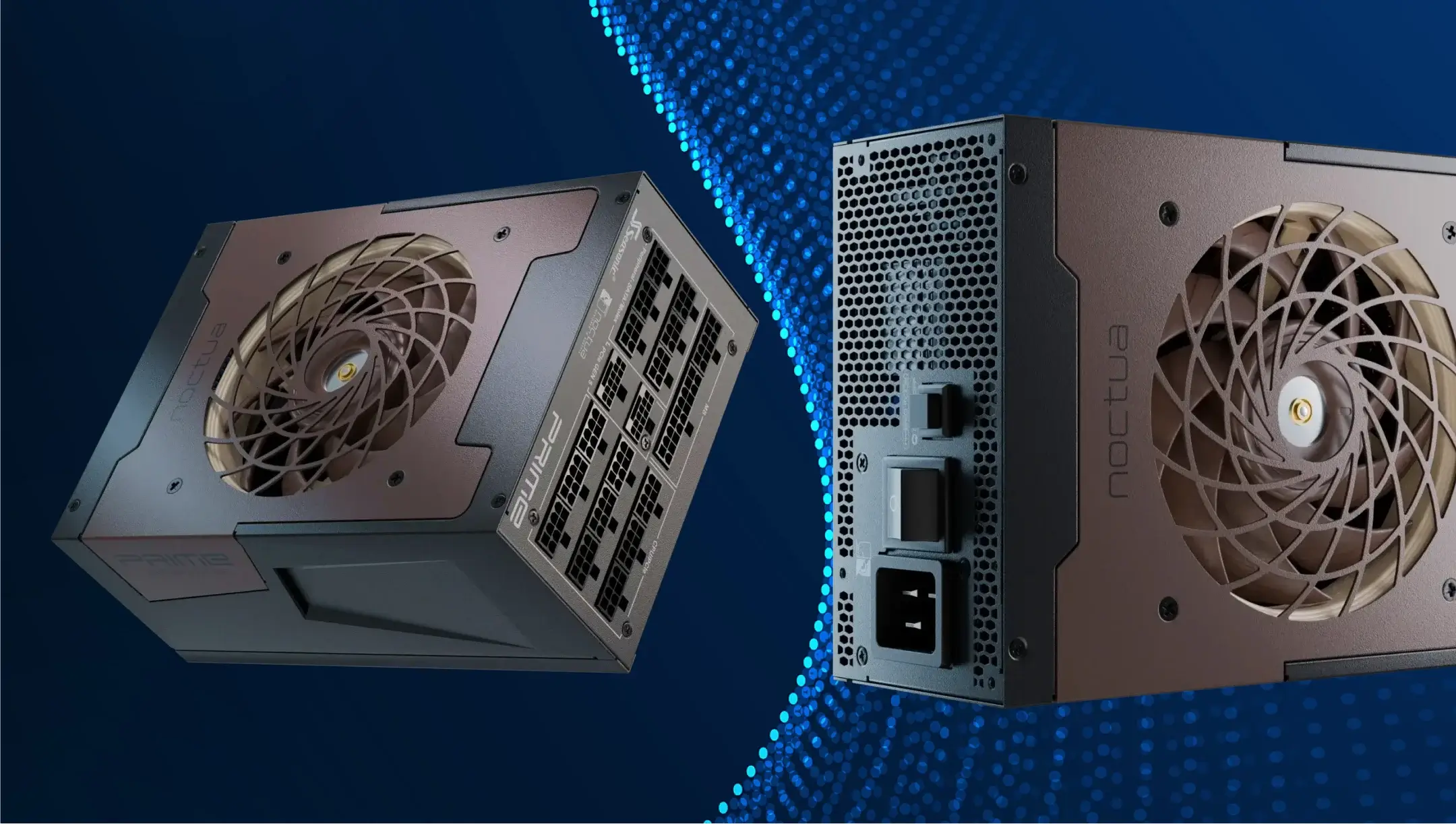
An important role in thermal design is played by heat distribution inside the PSU. Engineers factor in the placement of power MOSFETs, transformers, diodes, capacitors, and heat sinks. Such an approach keeps components from overheating in specific areas. This is particularly challenging in compact units: higher power density means more heat in a smaller volume.
To reduce noise, modern PSUs use FDB fans, optimized airflow paths, and semi-passive fan modes, where the fan stays off until the load gets higher. But quiet operation isn’t just about a “slow fan.” Airflow that’s too low can raise internal temperatures, so a high-quality thermal design must simultaneously ensure low noise, stable temperatures, and a long service life for components.
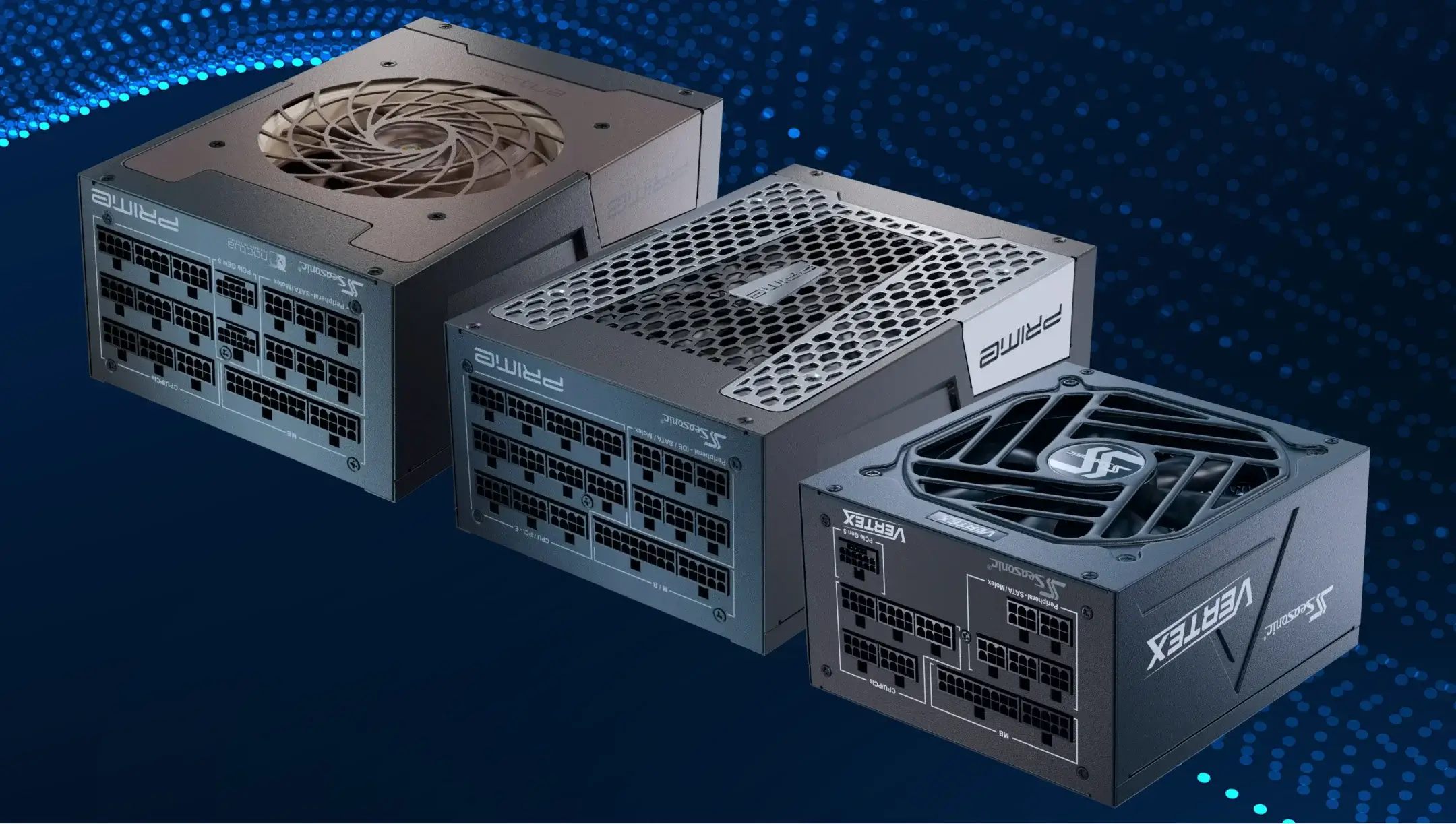
Protection features: protecting equipment from electrical and thermal risks.
The latest power supplies are backed by a multi-level protection system. It is guided by possible electrical issues that may arise during intensive PC use and outlines the different mechanisms against them. These mechanisms are designed to help protect the PSU and the overall system against abnormal electrical and thermal conditions. Depending on the specific fault and protection threshold, they can limit or shut down PSU operation when unsafe conditions are detected.
The following mechanisms keep various scenarios under control – excessive voltage, current, short circuits, or overheating:
– OVP (Over Voltage Protection),
– UVP (Under Voltage Protection),
– OCP (Over Current Protection),
– OPP (Over Power Protection),
– SCP (Short Circuit Protection),
– OTP (Over Temperature Protection).
A correctly configured protection system is especially important. A modern PSU must be able to maintain stable output during short-duration changes in GPU load without unnecessarily triggering its protection mechanisms. At the same time, the protection system must respond appropriately when electrical or thermal conditions exceed safe operating limits. Transient response and protection therefore serve different but complementary roles in PSU design.
This way, protection design is an integral part of the PSU’s overall engineering that determines how reliably the system behaves under load and in unusual conditions.
How Seasonic adapts power supply engineering for today’s PCs, workstations, and servers
Because gaming PCs, workstations, and servers have different load profiles, PSU design priorities also vary between these applications. Gaming PCs and workstations can both experience rapid CPU and GPU load changes, while some workstation workloads may also sustain high utilization for extended periods. Servers place greater emphasis on predictable operation, efficiency, thermal management, and long-term reliability.
For Seasonic, designing PSUs for these environments means balancing several engineering priorities:
– Efficiency: minimize power losses and the amount of heat that needs to be dissipated.
– Stability: ensure accurate output voltage and respond effectively to dynamic loads.
– Cooling: manage the thermal load while keeping noise under control.
– Reliability: use components, design solutions, and protection mechanisms suited to long-term operation.
At the same time, priorities are closely connected. Higher efficiency reduces waste heat, better thermal management helps lower fan speed and noise, and stable operation at controlled temperatures supports long-term reliability. The specific balance depends on the intended application and its load profile.
This approach allows Seasonic to design power supplies around the actual demands of modern PCs, workstations, and server environments rather than treating rated wattage as the only measure of PSU capability.
Wniosek
As performance has increased, modern PSUs face increasingly complex demands, so their design must concurrently take into account electrical, thermal, acoustic, and reliability factors. A comprehensive approach helps provide stable and predictable power delivery for current systems while leaving appropriate margin for future high-performance platforms.