









In this article, we’ll look at what to consider when choosing a PSU for the RX 9070 GPU and why different Seasonic PSU models may be suitable for various configurations – from a high-performance gaming PC to a powerful workstation.
What is the AMD RX 9070
AMD Radeon RX 9070 is a mid-range graphics card, created on AMD RDNA 4 architecture for modern gaming at 1440p and 4K resolutions. It’s part of the Radeon RX 9000 GPU family that combines high performance with improved energy efficiency.
Unlike previous RDNA 3, the new architecture has completely updated ray-tracing and AI accelerators. This means that the GPU can handle traditional rendering and modern machine learning technologies more efficiently.
Going a bit further into the architecture, it makes sense to highlight that RDNA 4 updates the compute units and introduces third-generation ray-tracing accelerators and second-generation AI accelerators. These changes target improved performance and efficiency compared with RDNA 3, particularly in ray tracing and AI workloads.
The card is built on the Navi 48 graphics processor and features 56 compute units, 3,584 Stream Processors, and 16 GB of GDDR6 memory with a 256-bit memory interface. The GPU also supports PCI Express 5.0, DisplayPort 2.1a, and HDMI 2.1b, supporting next-gen monitors and high refresh rates.
The main architectural updates include:
- 3rd-generation Ray Accelerators. They deliver more than twice the ray-tracing throughput per Compute Unit, improving the quality of lighting, shadows, and reflections.
- 2nd-generation AI Accelerators. Support new compute formats and sparsity technology, which significantly boosts AI workload performance.
- The updated Media Engine improves video encoding and decoding quality and supports modern multimedia formats for streaming and recording content.
As a result, AMD positions the card as a versatile solution for demanding games that combines cutting-edge graphics technology, AI features, and enhanced ray tracing.
Key power specifications
To assess the RX 9070’s power requirements, start with its board power and connector specifications, then consider the power demand of the complete system. They’ll explain how a graphics card connects to a power supply and what kind of load it puts on it.
The following official specifications provide the starting point:
| Power Parameter | AMD Radeon RX 9070 |
|---|---|
| Typical Board Power (TBP) | 220 W |
| Additional Power Connectors | 2 × 8-pin |
| PCIe Interface | PCIe 5.0 ×16 |
The Typical Board Power indicator at 220 W is AMD’s stated typical power consumption figure for the entire graphics board, not just the GPU itself. It covers the entire power draw that comes from the graphics processor, video memory, and other components on the board.
AMD’s reference specifications list two 8-pin PCIe power connectors. The card receives power through these connectors and the motherboard’s PCIe slot; it does not require a native 12V-2×6 connection. Check the specifications of the exact graphics card model, as partner designs may differ.
The stated 220 W should not be interpreted as a fixed peak power level. Actual power consumption can vary depending on the specific graphics card design, clock speeds, power limits, and workload.
How much PSU headroom does the system need?
Power headroom is the difference between the PSU’s rated output and the complete system’s power demand. It provides additional available capacity for higher loads or future upgrades. However, extra wattage alone does not improve transient response or voltage stability; these depend on the PSU’s electrical design.
AMD recommends a minimum 650 W power supply for a system using the Radeon RX 9070, while the card’s Typical Board Power is 220 W. The PSU recommendation applies to the complete PC, including the CPU, motherboard, memory, storage, and cooling.
Systems using the same graphics card can require different PSU capacities if their CPUs, other components, or configured power limits differ.
Choose the PSU based on the complete configuration and the graphics card manufacturer’s recommendation.
Which Seasonic PSUs are suitable for the AMD RX 9070?
Choose a PSU according to the complete system’s power demand, the required connectors, and its electrical performance. The ATX 3.1 standard is beneficial when buying a new unit because it includes defined power-excursion requirements, but it is not required by the RX 9070. A suitable PSU from an earlier ATX generation can also power the card if it meets the system’s capacity and connector requirements.
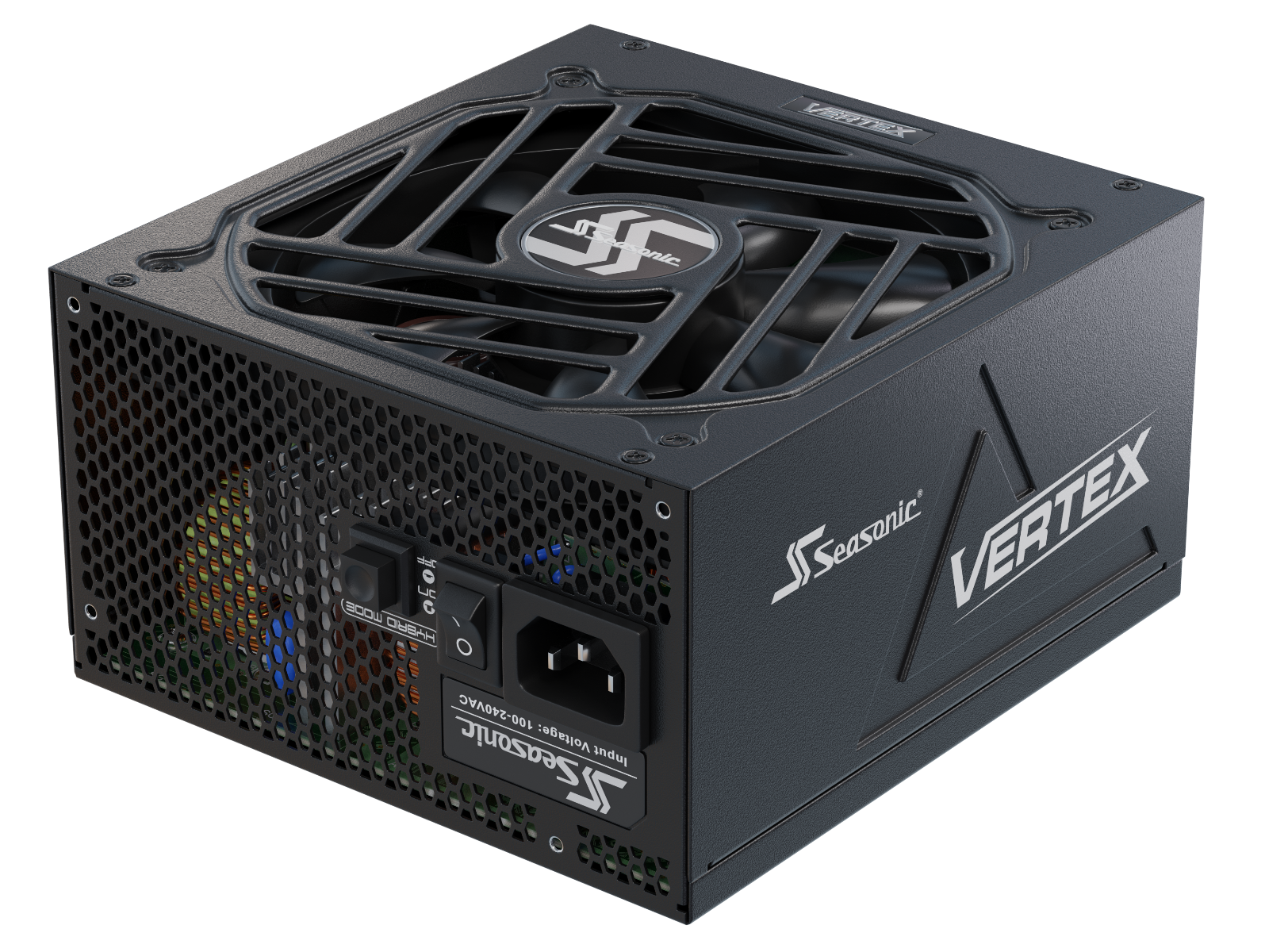
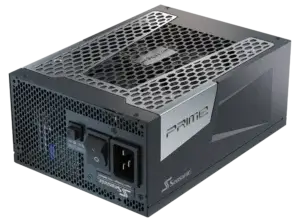
In the table below, we’ve compiled the most suitable Seasonic PSUs, focusing on 750–850 W models, with a 1000 W option for configurations or planned upgrades that justify the additional capacity.
These are selection options, not a replacement for AMD’s 650 W minimum recommendation.
| Seasonic Zasilacz | When to consider it |
|---|---|
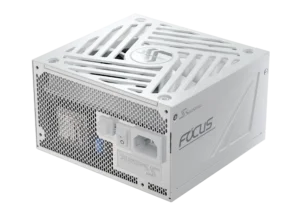
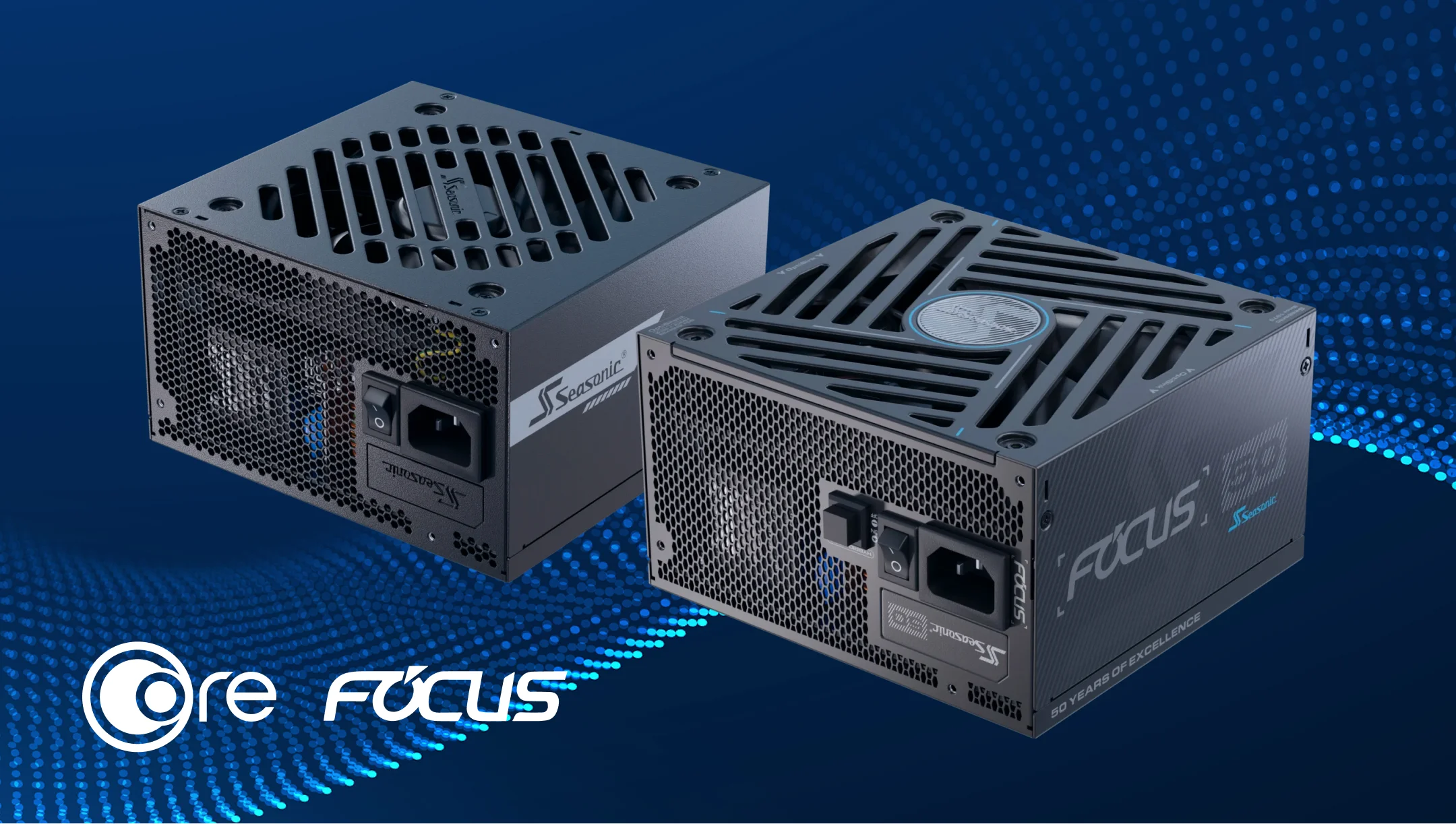
| FOCUS PX-850 ATX 3.1 v5 | An alternative at the same 850 W capacity for buyers prioritizing Platinum-rated efficiency. Suitable when additional wattage is unnecessary. |
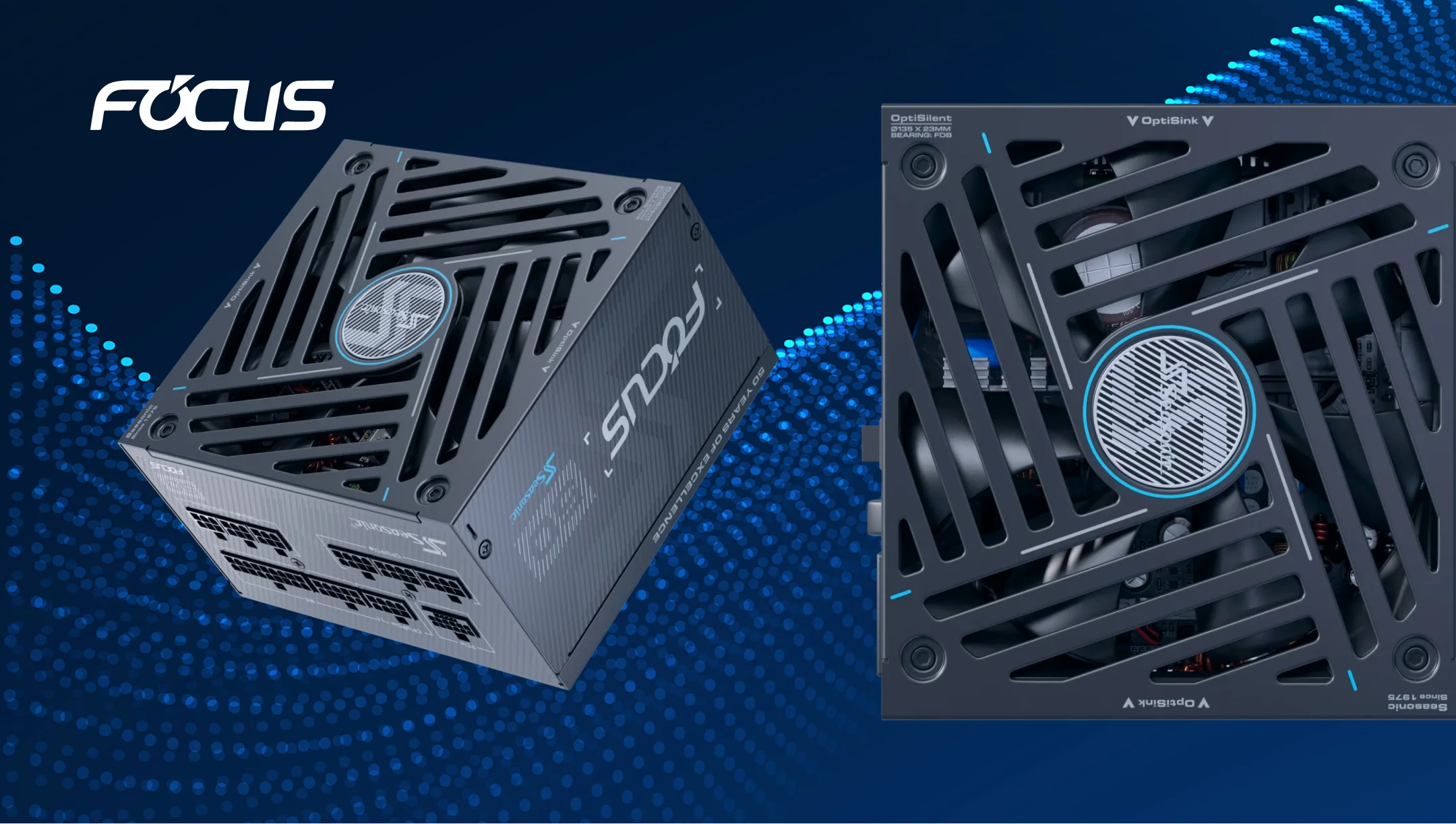
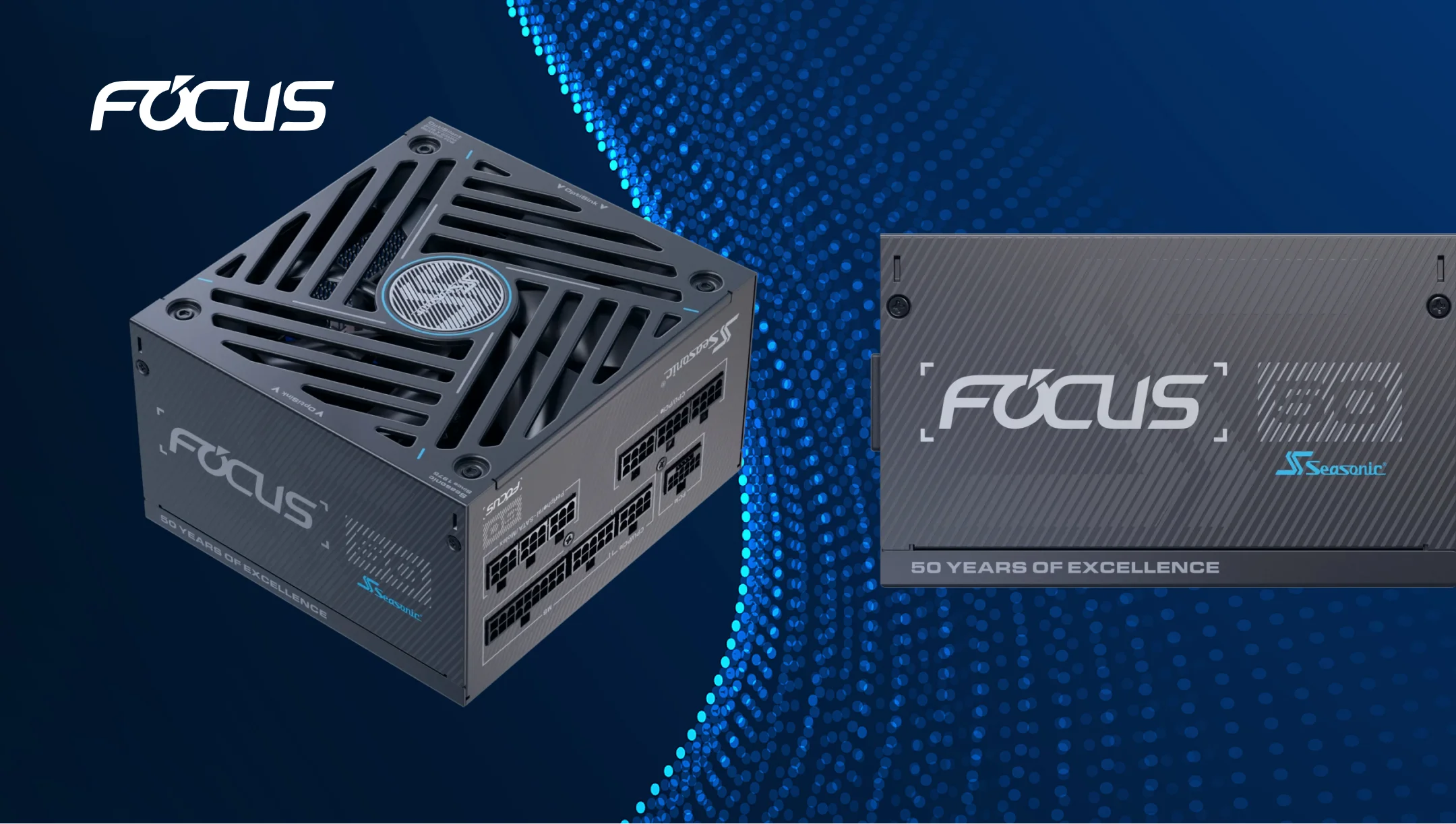
| FOCUS GX-850 ATX 3.1 | An option when the CPU, other components, or planned upgrades justify additional capacity. Includes 80 PLUS Gold efficiency and hybrid fan control. |
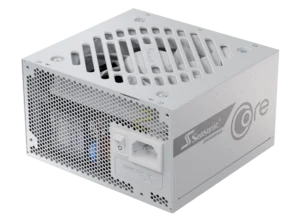
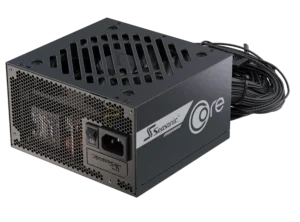
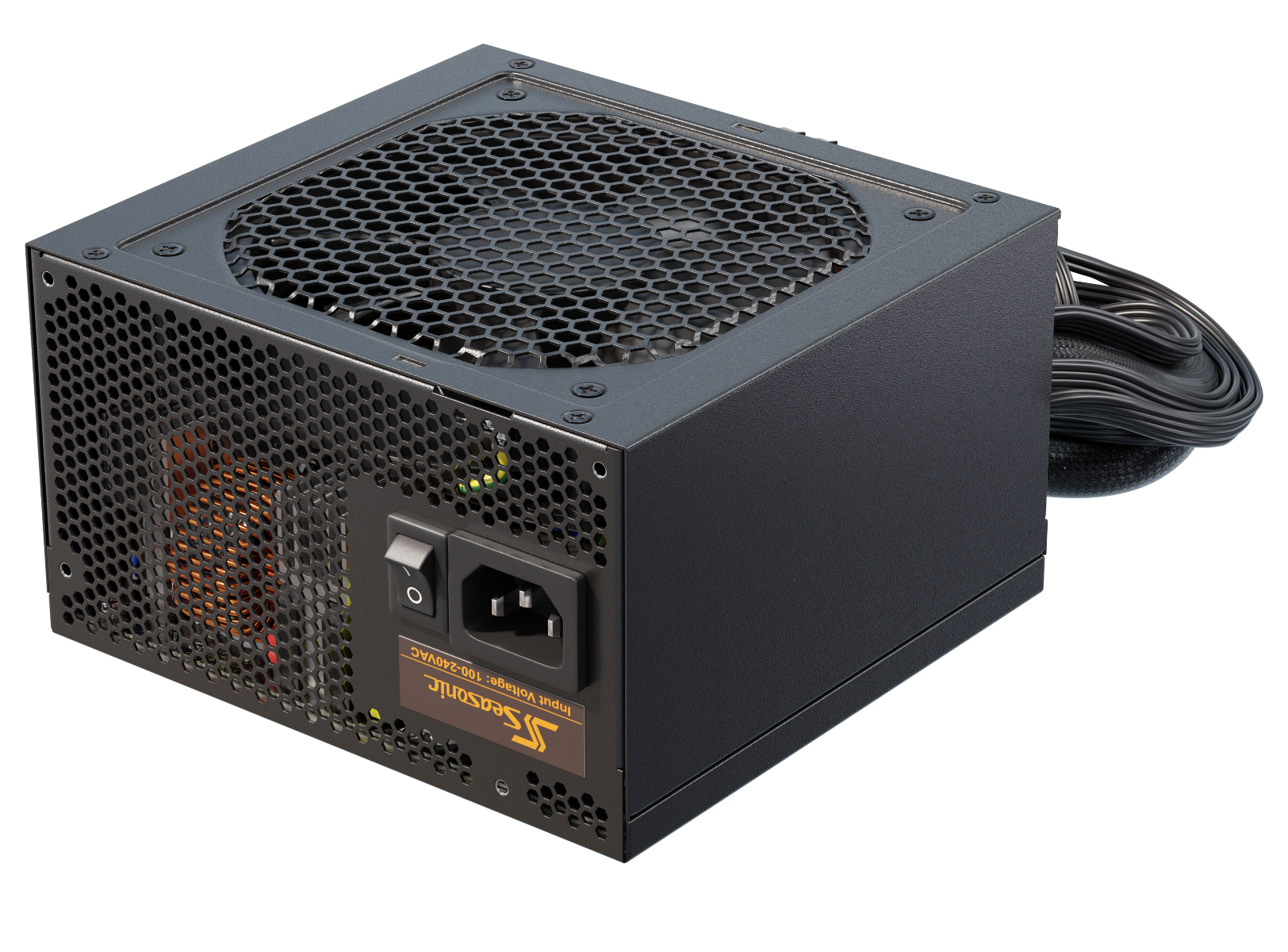
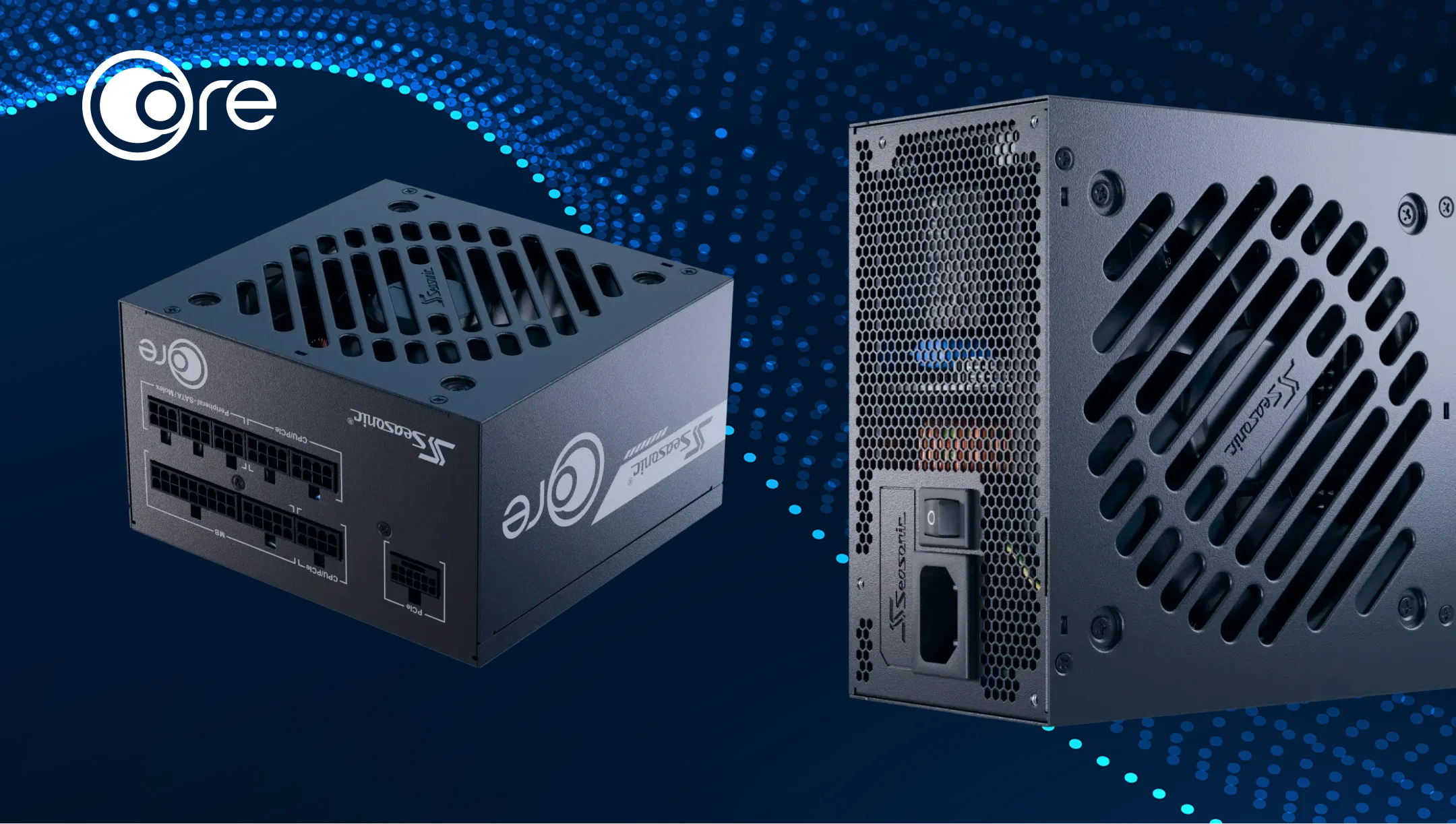
| CORE GX -750 ATX 3.1 | A practical starting point for a gaming PC whose complete power requirements fit within 750 W. Combines 80 PLUS Gold efficiency with fully modular cabling. |
Why choose the FOCUS PX-850 ATX 3.1 v5?
The Seasonic FOCUS PX-850 ATX 3.1 v5 is an option for builders who want Platinum-rated efficiency while keeping PSU capacity at 850 W. Its role in this selection is to offer a different efficiency tier without moving to a higher wattage.
| Feature | Practical benefit |
|---|---|
| 850 W rated output | Suits configurations whose complete power requirements fit within this capacity. |
| 80 PLUS® Platinum certification | Meets stricter efficiency thresholds than Gold under equivalent certification test conditions. |
| Fully modular cabling | Helps keep the installation organized by using only the required cables. |
| 10-year warranty | Provides long-term manufacturer warranty coverage. |
Choose this model for its efficiency and feature set when 850 W already meets the build’s requirements. A higher efficiency rating does not itself indicate better voltage regulation or transient response.
Key features of the FOCUS GX-850 ATX 3.1
The Seasonic FOCUS GX-850 ATX 3.1 offers additional capacity when a more demanding CPU or planned component upgrades make an 850 W PSU appropriate. The reason to choose it over a 750 W model is the complete system’s power budget.
| Feature | Practical benefit |
|---|---|
| 850 W rated output | Provides additional available capacity for the CPU, graphics card, and other components. |
| 80 PLUS® Gold certification | Indicates power-conversion efficiency under the certification’s test conditions. |
| Cyfrowe sterowanie wentylatorem hybrydowym | Offers fanless, silent, and cooling operating modes according to PSU conditions. |
| Fully modular cabling | Allows unused cables to be left out of the build. |
The additional wattage provides capacity headroom. Transient response and voltage regulation remain characteristics of the PSU’s electrical design.
Advantages of the CORE GX-750 ATX 3.1 for mainstream gaming PCs
The Seasonic CORE GX-750 ATX 3.1 is a practical option for a gaming build that does not need unusually high PSU capacity. Its 750 W output should be assessed against the complete system’s requirements, including the CPU and its power limits.
The unit combines 80 PLUS® Gold efficiency, fully modular cabling, and a compact 140 mm-long housing. Modular cables simplify installation, while its dimensions can make it easier to accommodate in cases with limited PSU space. Seasonic also provides a seven-year warranty.
Its ATX 3.1 compliance is a useful feature for a new build, while the capacity remains proportionate to a mainstream single-GPU configuration.
Wniosek
The AMD RX 9070 GPU doesn’t really require an extremely powerful PSU on its own. Its 220 W board power rating and AMD’s recommendation for a minimum PSU capacity indicate that the GPU rating is only part of the picture.
A suitable PSU for an RX 9070 build should match the complete PC’s power requirements. The CORE GX and FOCUS models covered here offer 750–850 W options, with 1000 W reserved for configurations or planned upgrades that justify the extra capacity. ATX 3.1 is a useful feature when buying a new PSU, but it is not mandatory for this card.
Instead of just focusing on wattage, consider appropriate capacity, compatible connectors, and electrical performance as well.