




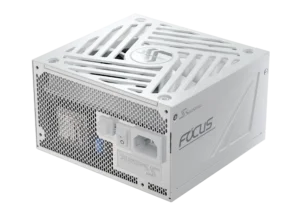


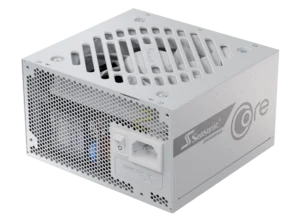
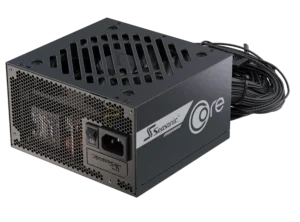
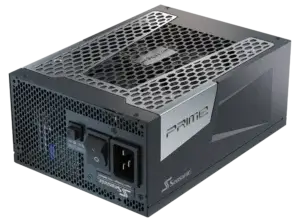



Modern PCs require a power supply that provides enough power while also managing how it’s distributed across components. In this article, you’ll find out how single-rail and multi-rail designs work, how they differ, and how each approach affects power distribution and protection in today’s PC.
Power supply rail design in modern PCs
Power supply rail design is the architecture of the output power line distribution within the PSU and a key element that ensures system stability in modern high-power computing environments. Its role within the system becomes more important as modern GPUs can create rapid load changes and short-duration power excursions, whose magnitude and duration depend on the GPU and workload. Accordingly, power supplies must provide the required power and respond instantly to sudden changes in current without a drop in voltage.
A power rail is a separate output line of the power supply unit that delivers electricity at a fixed voltage to the system’s components. Every modern ATX PSU provides three main voltage rails:
– 12V (for powering CPU, GPU, PCIe devices, and fans);
– 5V (for SSD, USB, and SATA peripherals);
– 3.3V (for chipset, controllers, motherboard logic).
Modern PC power supplies differ from previous generations by delivering nearly all of their rated power through the 12V rail. In many models, it provides over 90% of the available power, while the 5V and 3.3V lines have become secondary. This matches modern PC architecture, where most high-power components are powered by 12V.
Older PC power supplies relied much more heavily on the +5V and +3.3V rails because many components of earlier systems drew a larger share of their power from these voltages. As processor and graphics card power requirements increased, more of the system’s high-power demand shifted to +12V.
This shift made +12V the dominant output in modern PSUs. At the same time, multi-rail designs became common in part because separating +12V outputs into independently monitored groups made it possible to apply current limits and overcurrent protection to specific output groups.
Over time, single-rail designs also became very common in consumer and high-performance PSUs because they allow the available +12V capacity to be used more flexibly without the need to account for multiple OCP limits. However, multi-rail designs remain relevant, particularly where more granular current monitoring and protection are desirable.
Today, single-rail and multi-rail designs are both established approaches. The key difference is not the number of physical power sources inside the PSU, but how the +12V output is monitored and limited through overcurrent protection.
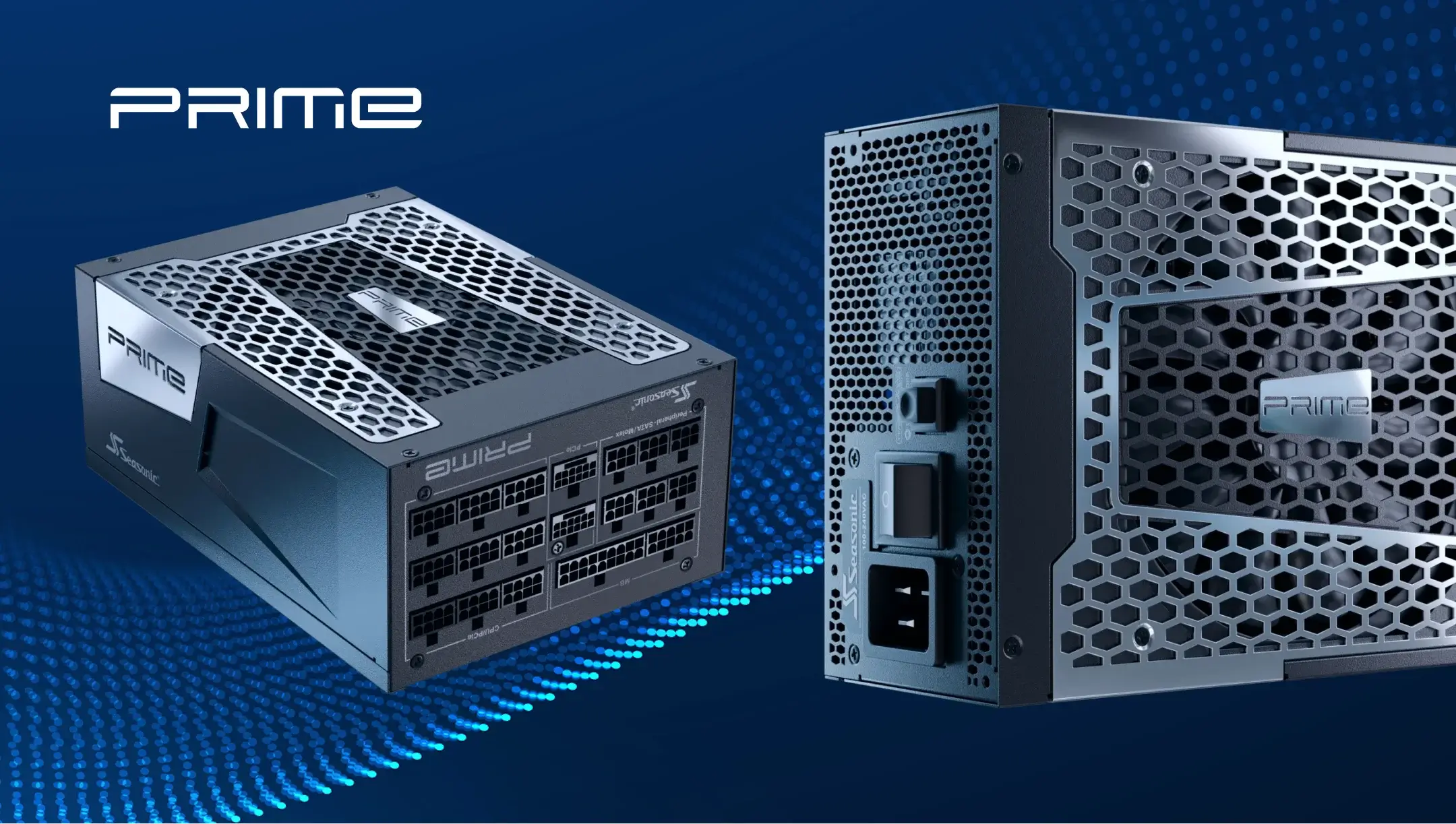
What are power supply rails and how do they distribute power?
Modern PSUs have 12V, 5V, and 3.3V power supply rails that supply power to the PC’s components. The PSU activates the rail by supplying power to the connected components. Each of them has concrete tasks and supports specific loads, but most of the system’s power flows through the 12V rail. The 5 V and 3.3 V voltages are converted from the main rail by DC-DC converters. This architecture aligns with modern load distribution: the CPU and GPU consume hundreds of watts, while 5 V and 3.3 V power demands are relatively low.
Power distribution begins inside the PSU. After converting AC power from the electrical grid, the power supply unit generates stable output voltages. The main power flow is directed to the 12-volt rail, from where it is distributed among the CPU, GPU, and other components. However, a “rail” doesn’t refer to a separate physical power source – several output lines may come from a single power platform but have separate control and protection circuits.
In a single-rail design, all available 12-volt power is a single resource for all connected components. If the PSU can deliver 100 A at 12V, this power is available to the system within the PSU’s overall limit.
In a multi-rail design, the +12V output can be divided into several independently monitored and protected groups. For example, one OCP group may cover CPU/EPS outputs while another covers PCIe outputs, but the exact assignment varies between PSU designs. An OCP-protected rail also does not necessarily correspond to a single physical cable; one protected group can cover multiple outputs or connectors.
Overall, the power rails ensure an organized flow of electricity from the PSU to the PC components. The 12V delivers the main power, 5V and 3.3V power less power-hungry components. Local VRMs convert these voltages to the precise levels required by the CPU, GPU, and other electronics. This multilevel architecture helps PCs handle heavy loads efficiently while ensuring power stability and safety.
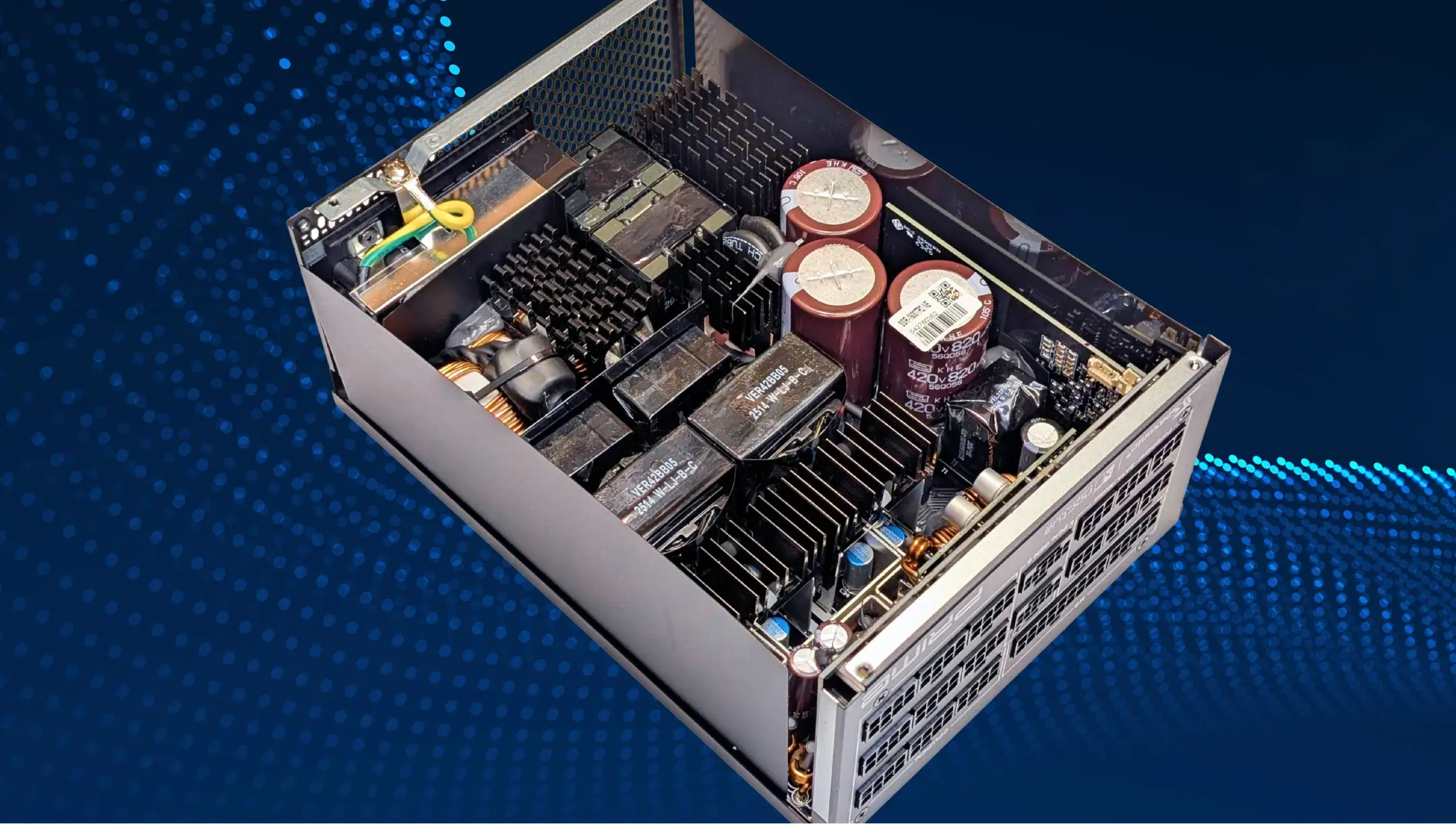
The +12V line in the CPU, GPU, and motherboard power supply
CPU, GPU, and motherboard leverage the +12V line as the input power, then voltage converters step it down to the levels required by specific integrated circuits.
On the motherboard, the 4+4-pin / 8-pin CPU/EPS connector supplies +12V power to the CPU VRM. The motherboard’s VRM then converts the 12V input to the lower voltages required by the processor. The EPS connection can carry substantial current, particularly with high-power CPUs, so its capacity should be considered as part of the overall CPU power-delivery design.
The GPU receives +12V power in two ways: through the PCIe slot and via additional PCIe power connectors. Due to the evolution of PCIe and ATX 3.x standards, the 12V-2×6 connector is becoming increasingly important in high-performance graphics cards. It is designed to deliver high power through a single compact connector and delivers up to 600 W to the GPU when properly implemented with the appropriate cables and hardware.
The motherboard also uses the +12V rail to power the CPU VRM, and distributes power via other lines and converters to the memory, chipset, expansion slots, storage devices, and other controllers. However, most motherboard components don’t run directly from 12V, as they generate the lower voltages they require.
What is the single-rail power supply design?
Single-rail power supply design is a power supply architecture where all +12V outputs work as a single power rail with a singular common current limit and overcurrent protection (OCP). A PSU may have several CPU/EPS, PCIe, and other connectors, but they all draw power from the same 12V rail.
For example, if a 1200 W PSU has a +12V output rated at 100 A, the +12V rail can provide up to 1200 W. In a single-rail design, this available +12V capacity is managed under one overall OCP limit rather than being divided into several independently protected +12V groups. If the CPU uses part of the available capacity, the remaining +12V capacity can still be used by the GPU and other components, subject to the PSU’s overall limits.
The main advantage of this architecture is simple power distribution. There’s no need to figure out which PCIe or CPU cable belongs to a specific rail or if the load will exceed its limit. All connected components operate within the overall capacity of the PSU’s +12V rail.
Keep in mind that a PSU single-rail design doesn’t automatically make a power supply more powerful or more efficient than a multi-rail model. Both architectures can use the same power platform and deliver the same rated power. The main difference lies in how current is controlled and how protection for the +12V lines is implemented.
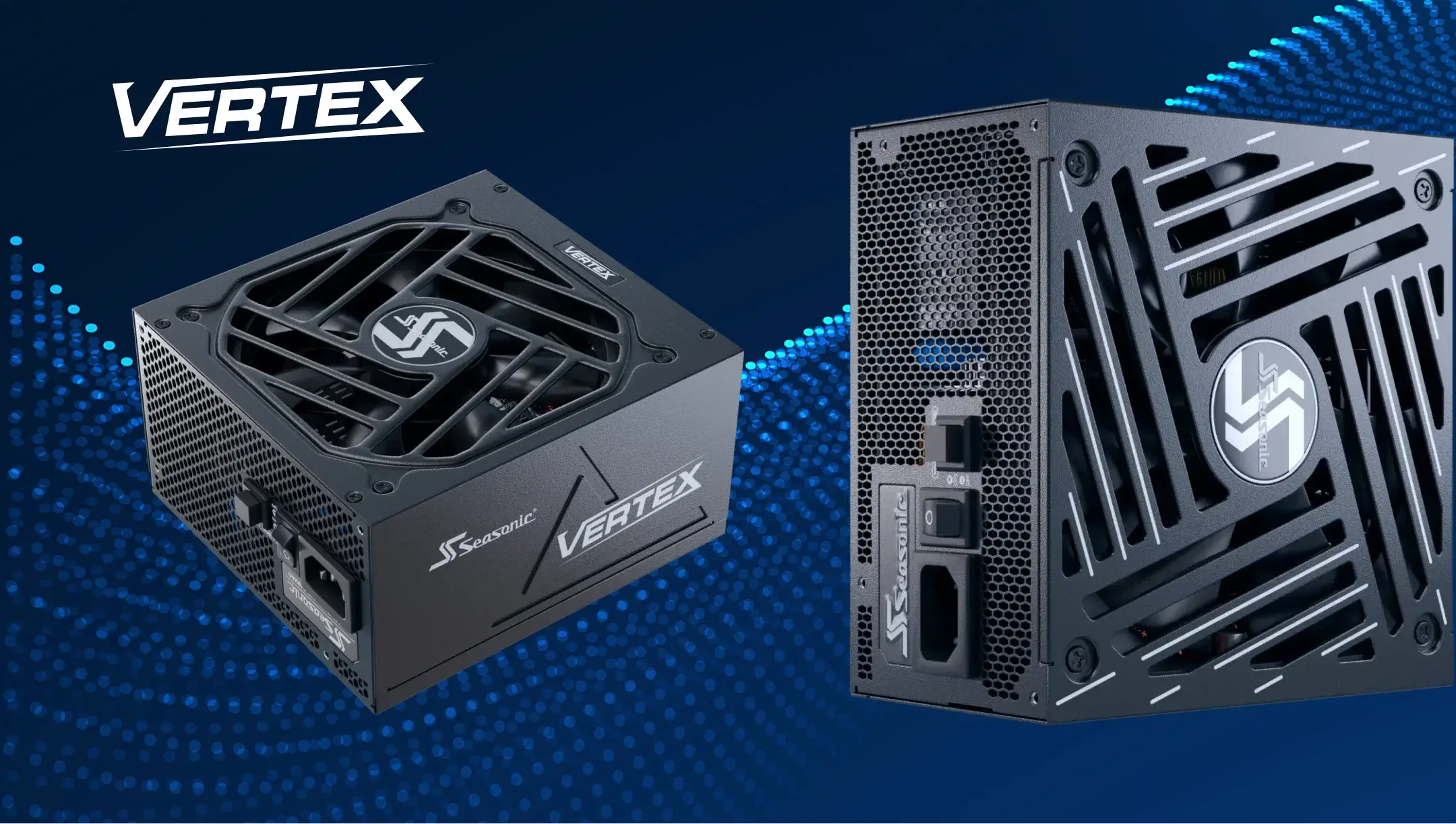
Key advantages of single-rail power supplies
The core advantage of single-rail power supply design is that the +12V rail acts as a shared power pool for the whole system. Here are more advantages to look at that make single-rail PSUs reliable hardware for your build.
- Maximum flexibility in power distribution. A single-rail PSU design allows the use of the total +12V reserve without having to balance power across separate rails.
- Lower risk of nuisance OCP shutdowns. Because the available +12V capacity is managed under a shared OCP limit, the system does not have to account for separate current limits across multiple protected groups. This can reduce the risk of an OCP shutdown caused by an uneven load distribution between several rails, provided the total load remains within the PSU’s limits.
- Simpler component connection. The user does not need to determine which specific 12-volt rail a particular PCIe or CPU connector belongs to, or whether the load will exceed its limit. This is especially convenient when installing high-performance graphics cards or multiple power-hungry components.
- Simple operating and protection logic. In a single-rail PSU, +12V control is managed relative to a single, common limit. At the same time, a high-quality power supply can still feature a full set of protections – OCP, OVP, UVP, OPP, SCP, and OTP. This means that the control is not divided into several independent +12V groups.
What is the multi-rail power supply design?
Multi-rail power supply design is another variant of PSU architecture, where a single 12-volt power platform is divided into several independently controlled rails. Each rail has its own overcurrent protection, so current limits apply to specific output groups, not the entire PSU.
At the same time, inside a modern PSU, the +12 V outputs may originate from a common power-conversion stage, while the separation into multiple rails occurs through current monitoring and OCP.
The exact assignment of outputs to OCP groups varies between PSU designs. For example, a manufacturer may assign CPU/EPS outputs to one protected group and PCIe outputs to another, while other designs may use different groupings or combine multiple connectors under the same OCP channel. The number of protected groups and their current limits depend on the specific PSU architecture.
Each group has its own OCP threshold. If the current through a protected output group exceeds its OCP threshold, the PSU normally shuts down or latches off to protect the system. This can happen even when the PSU’s total power output is still below its maximum rating. The specific OCP thresholds and output assignments vary by PSU design.
In today’s high-performance workstations and computing systems, multi-rail technology is particularly useful when several power-hungry devices are operating simultaneously. Instead of a single shared current limit, each critical power group has its own protection. This results in an increased overall level of electrical safety without compromising the PSU’s rated power.
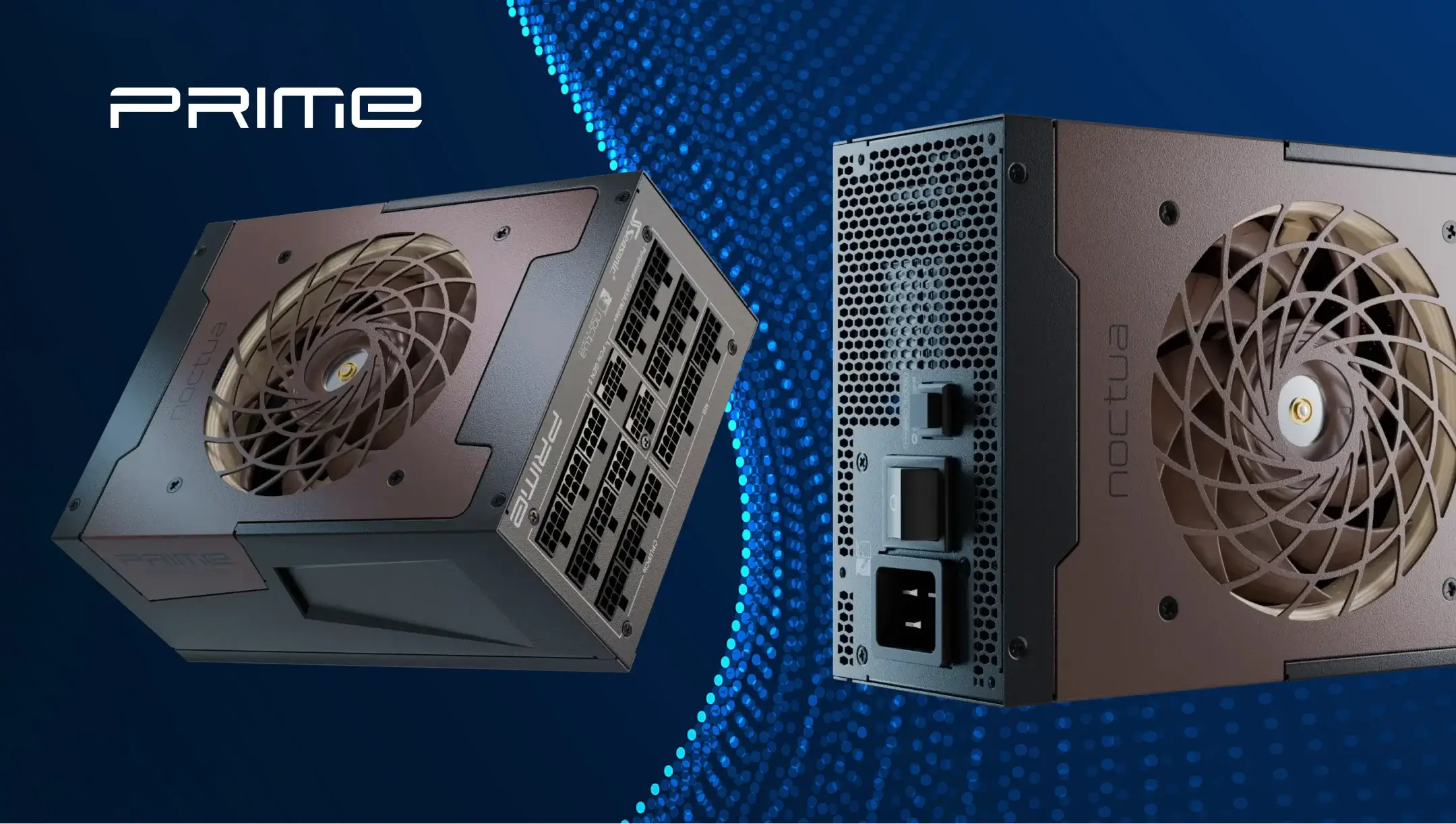
Key advantages of multi-rail power supplies
The key advantage of multi-rail PSU design lies in how it controls the current separately for different groups of outputs. There are more advantages to explore:
- Enhanced protection for cables and connectors. Each protected +12V output group can have its own Over Current Protection threshold. If excessive current flows through that group, the PSU can shut down before sustained overcurrent causes excessive stress or overheating in the associated wiring and connectors.
- More granular current protection. Separate OCP thresholds allow the PSU to monitor different output groups independently. If one protected group exceeds its limit, the PSU can shut down rather than allowing the overcurrent condition to continue, helping prevent excessive current from flowing through the affected outputs.
- Controlled operation at high power levels. Modern PSUs can provide more than 1000 W on +12V. Dividing this output into independently protected groups allows the PSU to apply defined current limits to different output groups while maintaining its overall rated power.
- Better control in professional systems. Multi-rail designs can apply separate current limits to different groups of outputs, which can be useful in systems with several high-power loads. Such architecture simplifies diagnostics and improves system reliability.
Single-rail and multi-rail power supplies: key technical differences
The main technical difference between single-rail and multi-rail PSUs lies in how the current at the outputs is controlled and limited. In practical terms, single-rail and multi-rail primarily describe how the PSU monitors and limits its +12V output through Over Current Protection (OCP), rather than describing how many physical +12V power sources the PSU contains.
In a single-rail PSU, all +12V outputs work within a single overall current limit. A multi-rail PSU divides its +12V output into separately monitored current paths, each with its own over-current protection (OCP) limit. This allows the PSU to control the current delivered to different groups of outputs
Here are more differences between single-rail and multi-rail PSU designs to know.
| Technical characteristic | Single-rail | Multi-rail |
|---|---|---|
| +12V current management | One shared current limit for the +12V output. | Multiple independently monitored +12V output groups. |
| Over Current Protection (OCP) | One overall +12V OCP threshold. | Separate OCP thresholds typically applied to different +12V groups. |
| Current distribution | Available +12V current can be shared across connected loads. | Each protected group operates within its defined current limit. |
| Protection approach | Protection is applied through a shared +12V OCP limit. | Protection is applied through separate OCP limits for different output groups. |
| Load balancing | No distribution between separate OCP groups is required. | Load distribution between protected groups may need to be considered. |
| CPU/GPU power allocation | CPU and GPU can draw from the shared +12V capacity. | CPU, GPU, and other outputs may be assigned to different protected groups, depending on the PSU design. |
| Transient-load flexibility | Shared current capacity provides maximum flexibility within the PSU's overall limits. | OCP thresholds must be designed to accommodate legitimate transient loads while protecting against sustained overcurrent conditions. |
| Primary design focus | Flexible current delivery. | Granular current monitoring and protection. |
| Wydajność | No inherent performance advantage. | No inherent performance advantage. |
| Total PSU power | Determined by the PSU's overall power rating. | Determined by the PSU's overall power rating. |
How does rail design affect equipment protection?
The rail design directly affects how the PSU responds to overcurrent, short circuits, and other fault conditions. This is especially true for the +12V rail, which handles most of the power demand from modern CPUs and GPUs.
In this context, OCP (Over Current Protection) is central to the process. The system monitors the current at the PSU outputs and cuts off power if it exceeds a set safe level. This protects cables, connectors, and components from overheating and further damage.
In a single-rail design, the entire +12V output is controlled by a single, shared OCP limit. This way, the entire system uses the available current as a shared resource. Accordingly, it means that overcurrent protection applies to the entire +12V line, not separate sources.
In a multi-rail design, current is monitored and limited through multiple independently protected paths, each with its own OCP limit. If one group of outputs exceeds its defined current threshold, the PSU can trigger OCP and shut down or latch off to protect the system, independently of the overall +12 V power limit.
Transient response and overcurrent protection serve different purposes. The PSU’s power-conversion and control design determines how well it responds to legitimate, rapid changes in GPU or CPU load. OCP is a protection mechanism that acts when current exceeds a defined threshold. Therefore, OCP thresholds must be set and implemented so that normal load changes and legitimate short-duration excursions do not trigger unnecessary shutdowns, while genuine overcurrent conditions are still detected and protected against.
Wniosek
Rail design is a component of overall PSU engineering that must work in balance with power output, efficiency, circuit design, and protection systems. For high-end PCs today, the power supply unit must behave predictably not only under rated load but also in challenging scenarios. For instance, during sudden changes in power consumption and prolonged operation at high power levels. Therefore, when evaluating a PSU, look beyond whether it’s single-rail or multi-rail: reliability is determined by how well the entire power supply system is designed as a single unit.